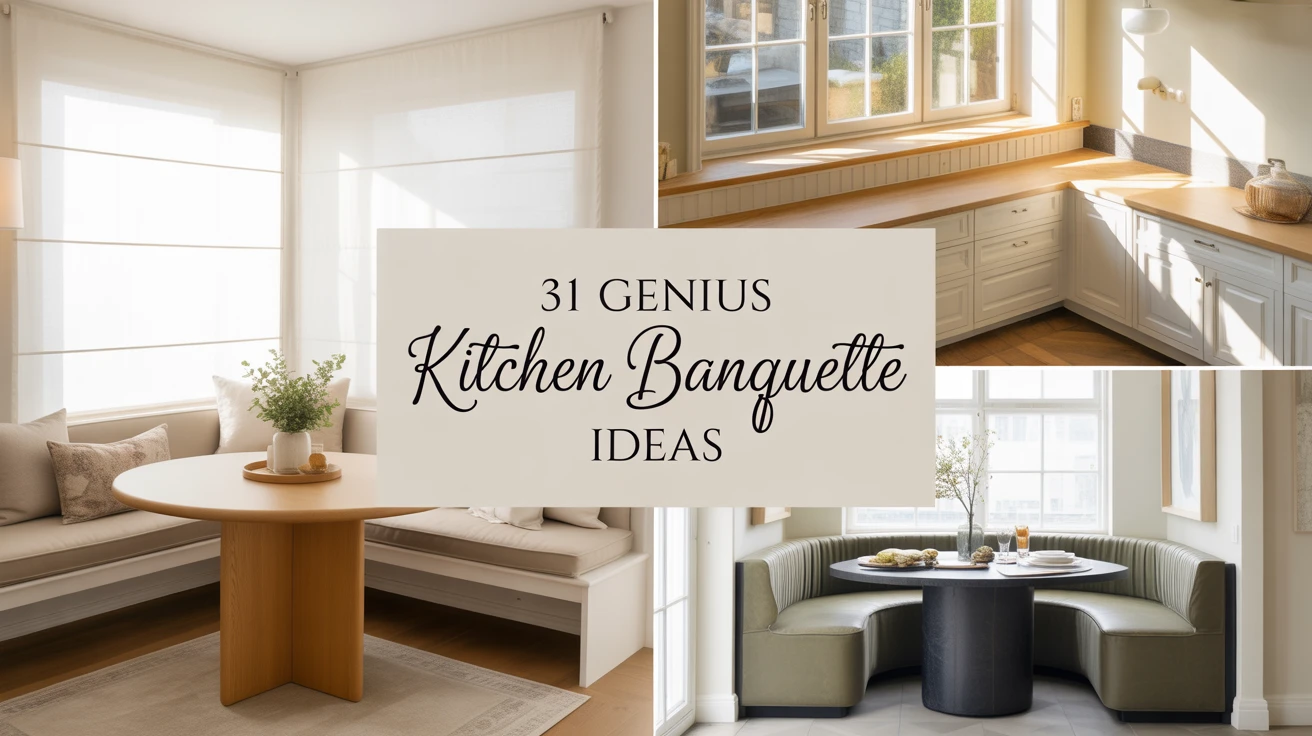
Kitchen banquette seating turns wasted corners into cozy, functional dining nooks. It saves space, adds serious style, and fits almost any kitchen layout. Whether you have a tiny galley or a sprawling open plan, a built-in banquette works beautifully.
I have helped design banquette nooks in kitchens of all shapes and budgets. Every single time, it becomes the most loved spot in the home.
In this guide, I am walking you through my favorite kitchen banquette seating ideas. You will find options for small kitchens, big families, tight budgets, and high-end renovations.
From L-shaped built-ins to freestanding bench combos, there is something here for every home.
The Space-Saving L-Shaped Corner Secret
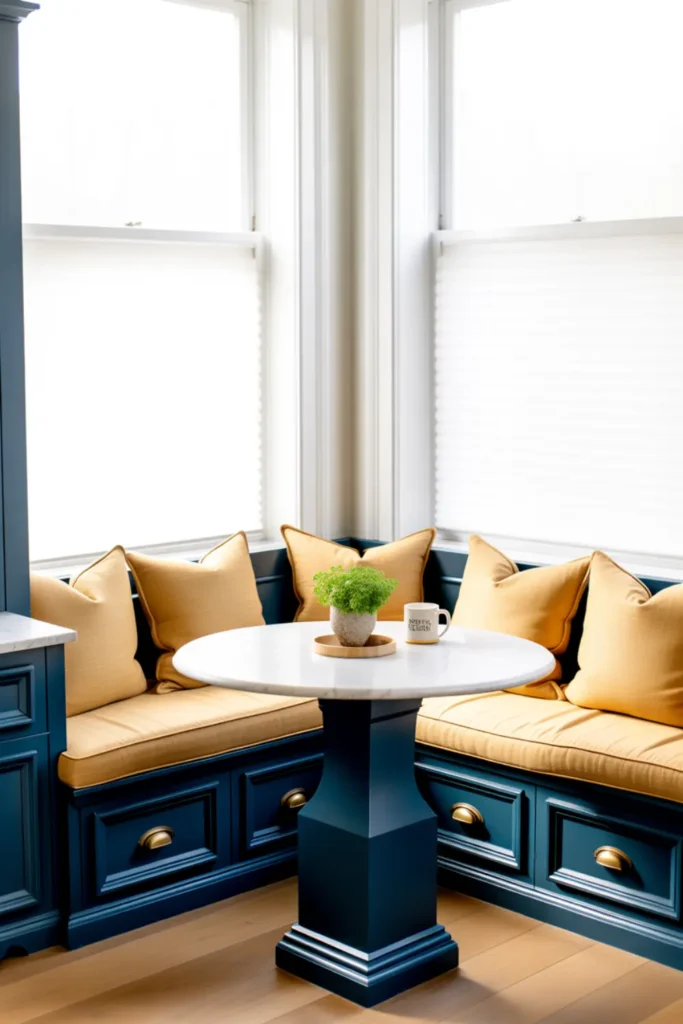
An L-shaped banquette is one of the smartest moves you can make in a small kitchen. It wraps right into the corner, so you are using space that would otherwise collect clutter.
I always recommend this layout first when a kitchen feels tight. You gain generous seating without pulling chairs in and out all day.
The tucked-in design also creates a natural, cozy boundary that makes the dining area feel intentional and complete.
Clever Pull-Out Drawer Storage Bases
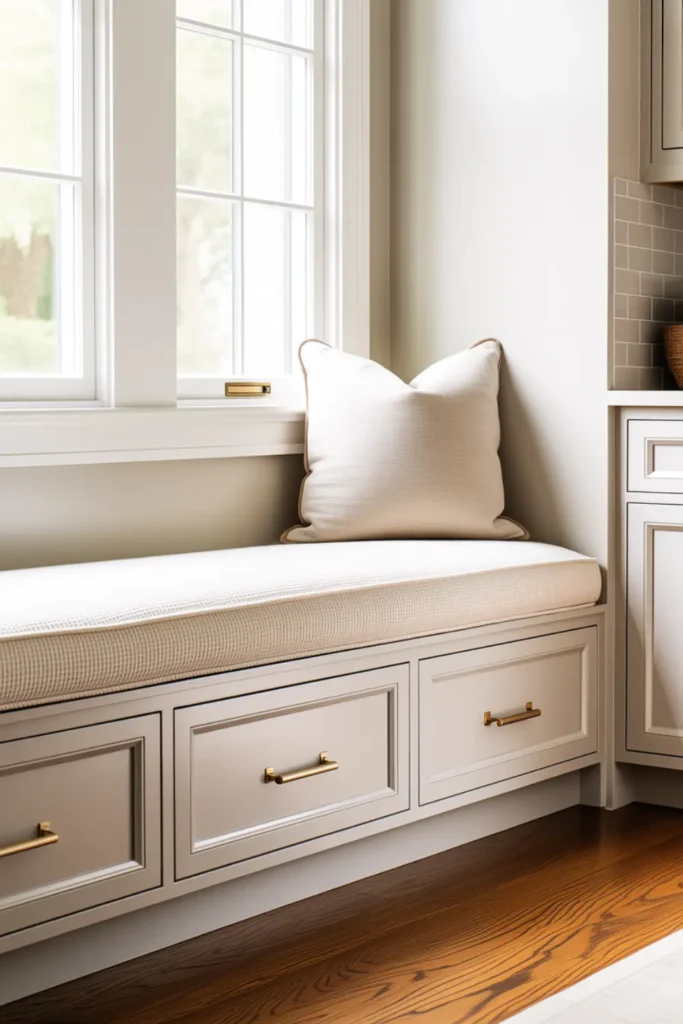
A banquette base with pull-out drawers is genuinely one of the most practical upgrades in a kitchen. Heavy pots, extra linens, and bulk pantry items all disappear neatly underneath your seat. Wooden bench seat fits seamlessly into rustic dining nook designs, offering both charm and hidden storage.”
I personally prefer drawers over lift-up tops because you can access them without moving cushions or disrupting anyone at the table.
This works especially well in kitchens short on cabinet space. Every inch of that base becomes valuable, functional storage.
The Curved Architectural Statement
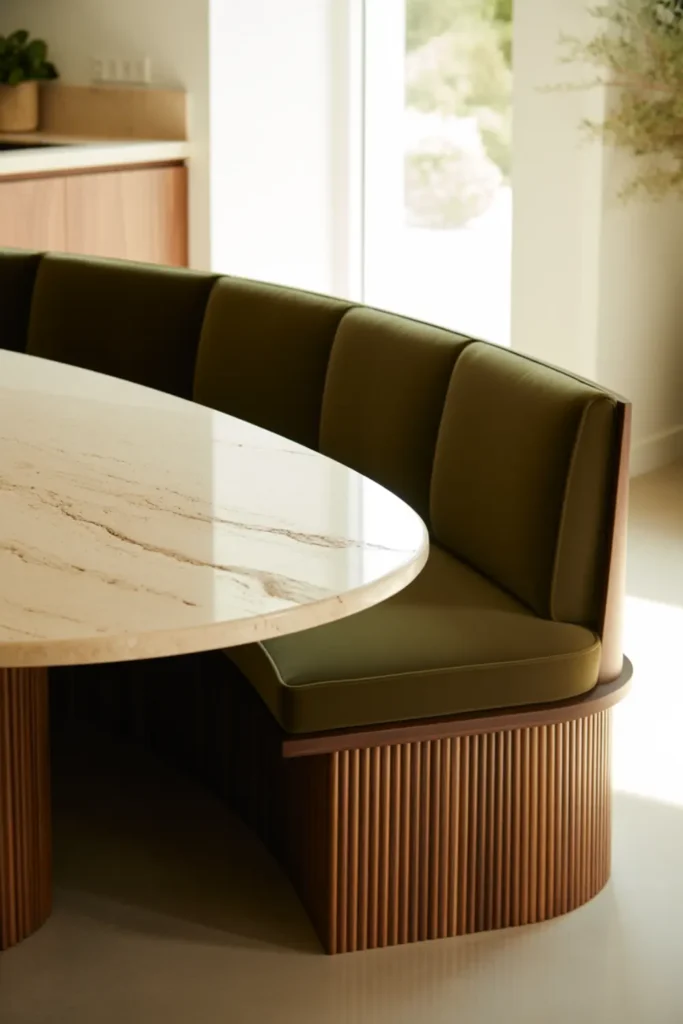
A curved banquette does something straight benches simply cannot. It softens the room, adds a sculptural quality, and makes the entire kitchen feel more thoughtful and high-end.
I love specifying a curved nook in kitchens with sharp angles or boxy layouts. The contrast is striking and immediately gives the space a custom, designer feel.
Pair it with an oval table to keep the soft, flowing energy consistent throughout the nook.
Floating Benches for a Minimalist Aesthetic
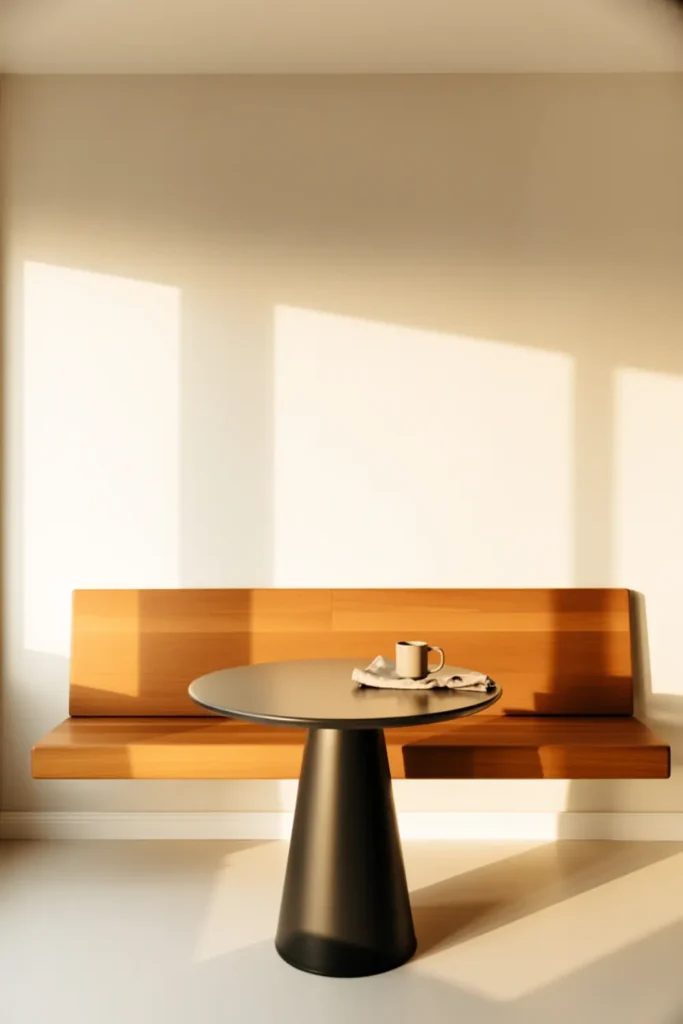
A wall-mounted floating bench has no bulky base touching the floor, which visually opens up the entire kitchen. It is a brilliant trick for small or narrow spaces that need to feel light and airy.
I have seen this style work beautifully in modern homes where clean lines and open floor space are the priority.
Keep the finish simple, natural wood or matte white, and let the lack of visual weight do all the work.
High-Back Upholstery for Dramatic Dining
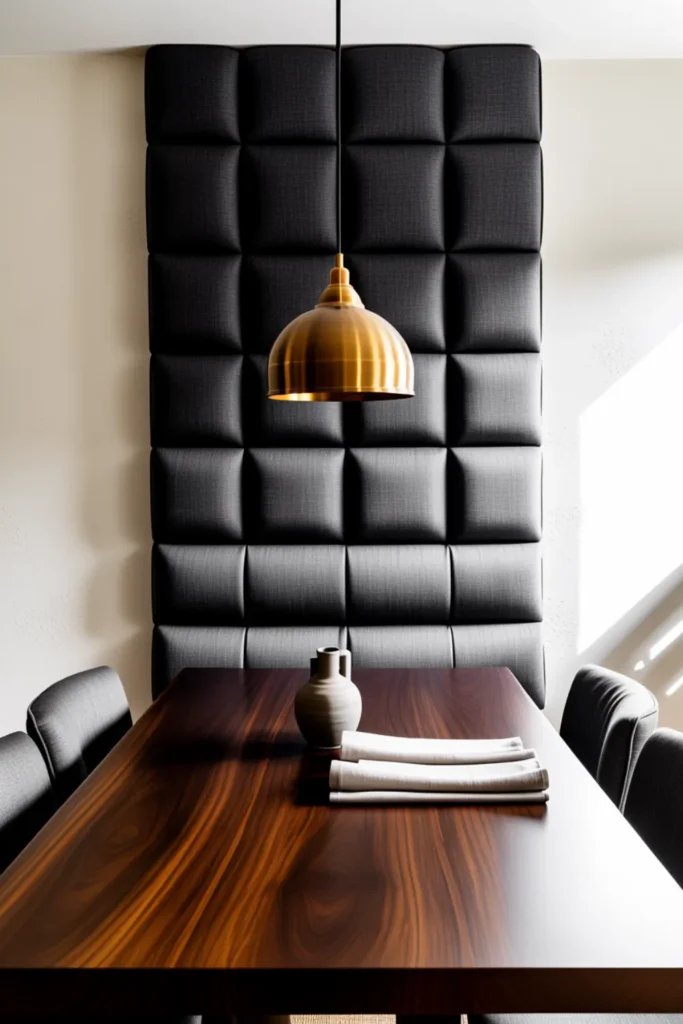
Extending your banquette backrest up the wall instantly gives your kitchen that intimate, restaurant-booth feeling. It adds drama, acoustic softness, and a sense of enclosure that makes meals feel like an experience.
I recommend this in open-plan kitchens where the dining nook needs to feel defined and separate from the rest of the space.
Choose a durable, tightly woven fabric and keep the color bold for maximum visual impact.
The Sun-Drenched Bay Window Nook
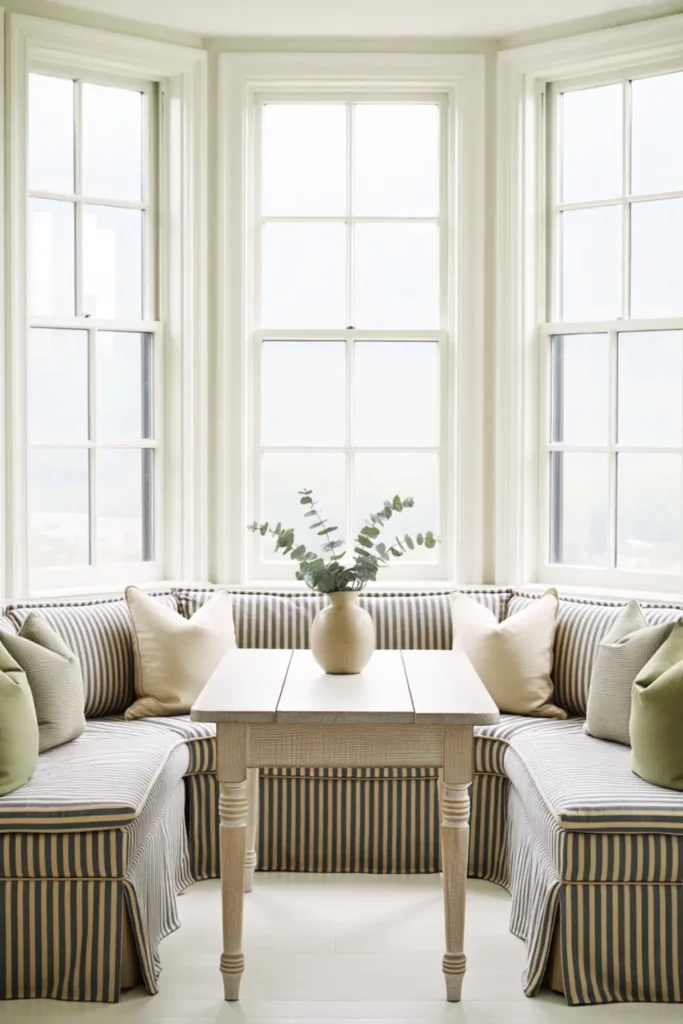
A bay window is one of the most underused architectural gifts a kitchen can have. Building a custom bench right into that alcove turns it into the most inviting spot in the entire home.
I always treat bay windows as a natural frame for banquette seating. The structure is already there, you just need cushions and a table to complete it.
The natural light flooding in makes every meal feel warm, unhurried, and genuinely special.
Performance Fabrics for Messy Eaters
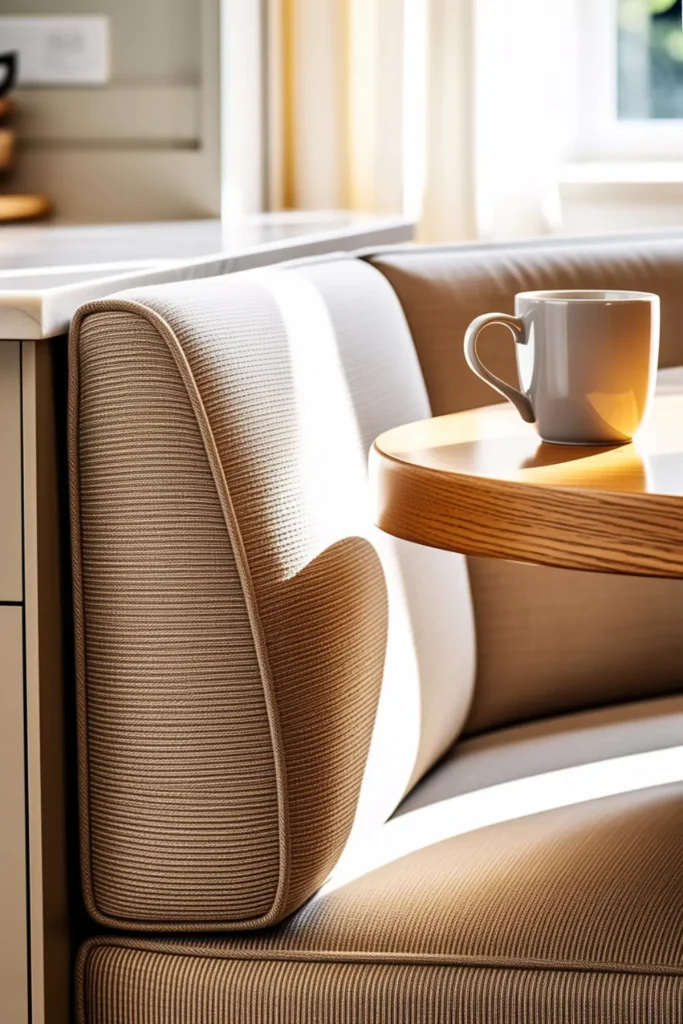
When I design banquettes for families, fabric choice is never an afterthought. Spill-proof, stain-resistant performance fabrics like Crypton or Sunbrella are the only options I seriously consider.
These materials look just as beautiful as regular upholstery but clean up with a simple damp cloth. No panic over a knocked-over juice cup.
Choosing the right fabric upfront saves you from a full reupholstering job just two years down the line.
Island-Integrated Seamless Seating
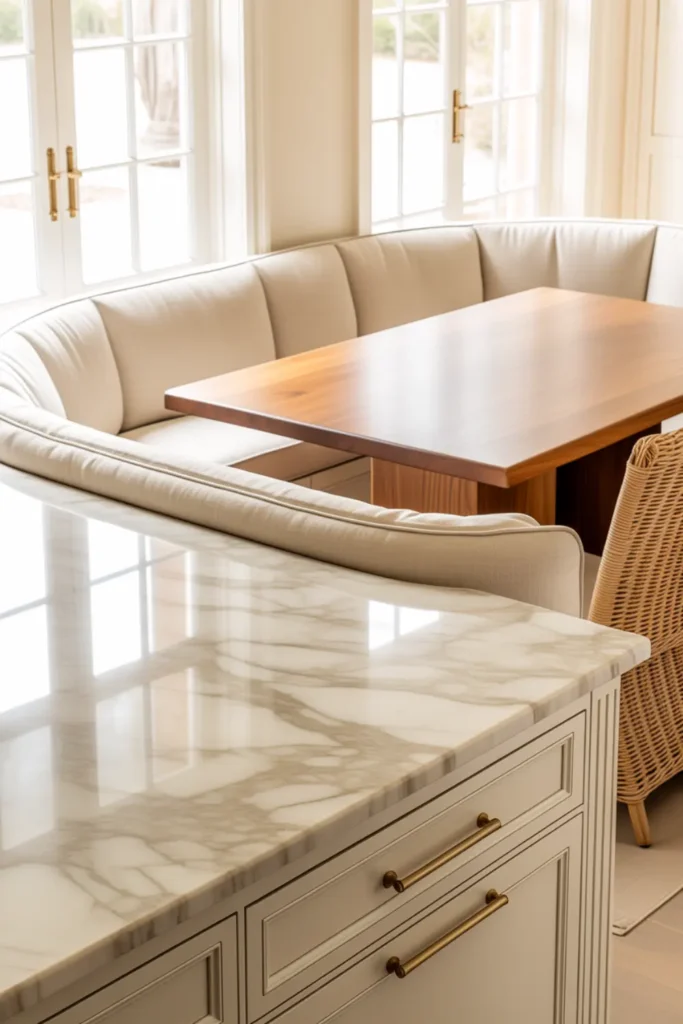
Attaching a banquette directly to the back of your kitchen island is a layout idea that genuinely surprises people. It creates a seamless flow between cooking and dining without needing a separate dedicated nook.
I love this approach in open-plan kitchens where every design decision needs to pull double duty.
The island becomes your anchor, your prep space, your serving area, and your dining room divider all at once.
Rustic Reclaimed Wood Charm
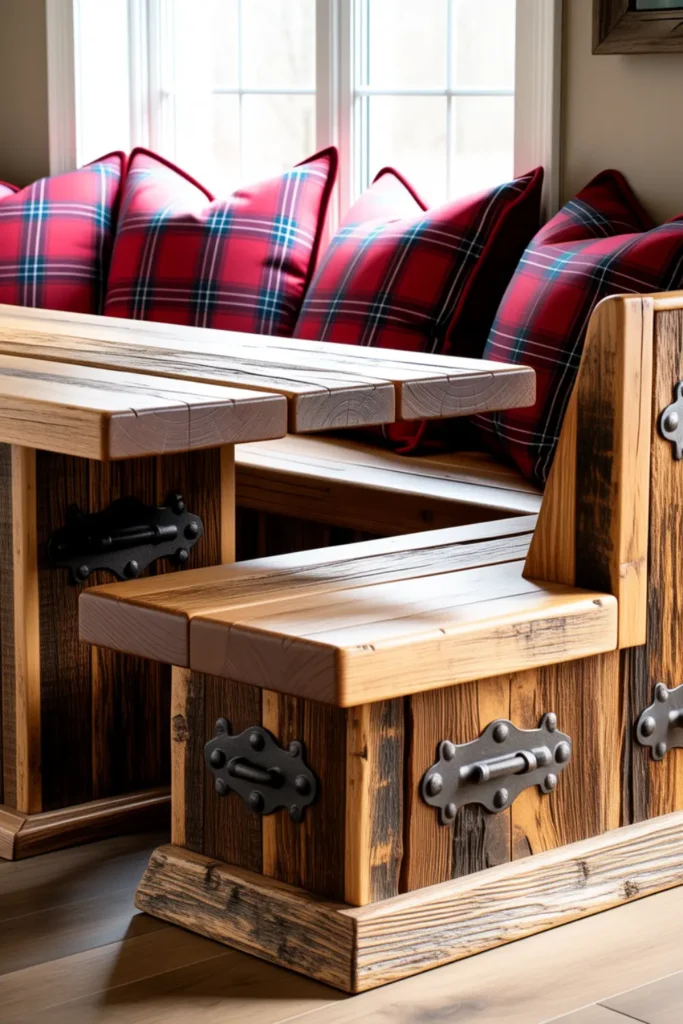
Reclaimed wood brings something no new material can replicate: genuine character. Using aged barn wood for your banquette base instantly warms up a kitchen that feels cold or overly modern.
I often pair a reclaimed wood bench with black iron hardware and chunky plaid cushions to lean fully into that cozy farmhouse aesthetic.
The imperfections in the wood are the point. They make the space feel lived-in and deeply personal.
Channel-Tufted Leather Luxury
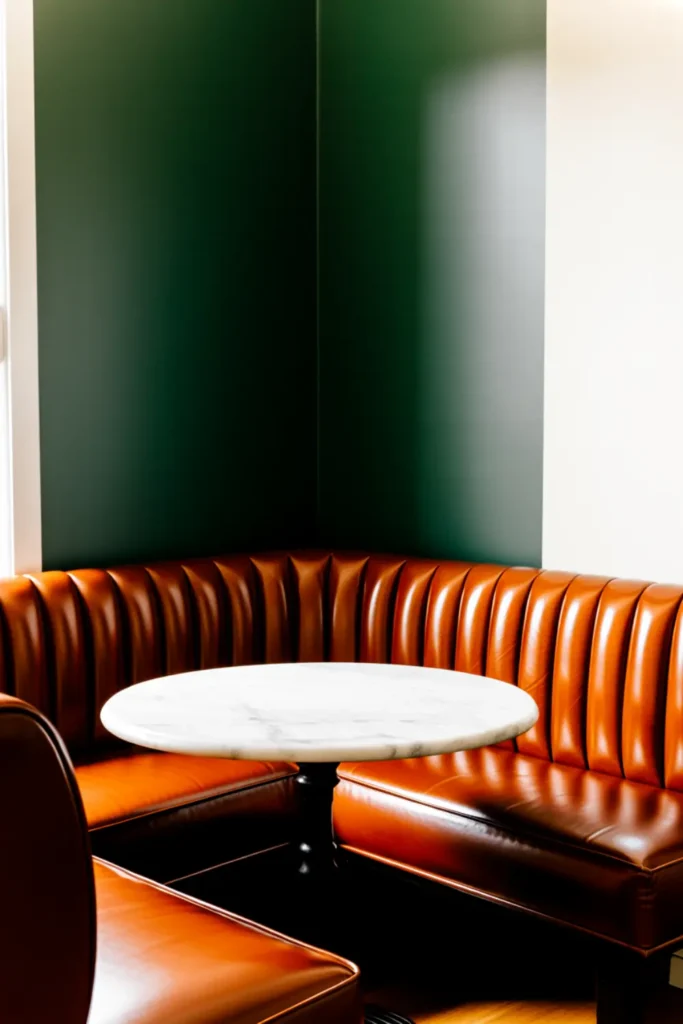
Channel tufting on a leather banquette delivers that unmistakable vintage European cafe atmosphere right inside your kitchen. It is polished, dramatic, and surprisingly practical since leather wipes clean in seconds.
I recommend cognac or deep caramel tones if you want warmth, or go jet black for something moody and editorial.
Pair it with a marble bistro table and you have a breakfast nook that genuinely feels like a destination.
The Narrow Galley Kitchen Solution
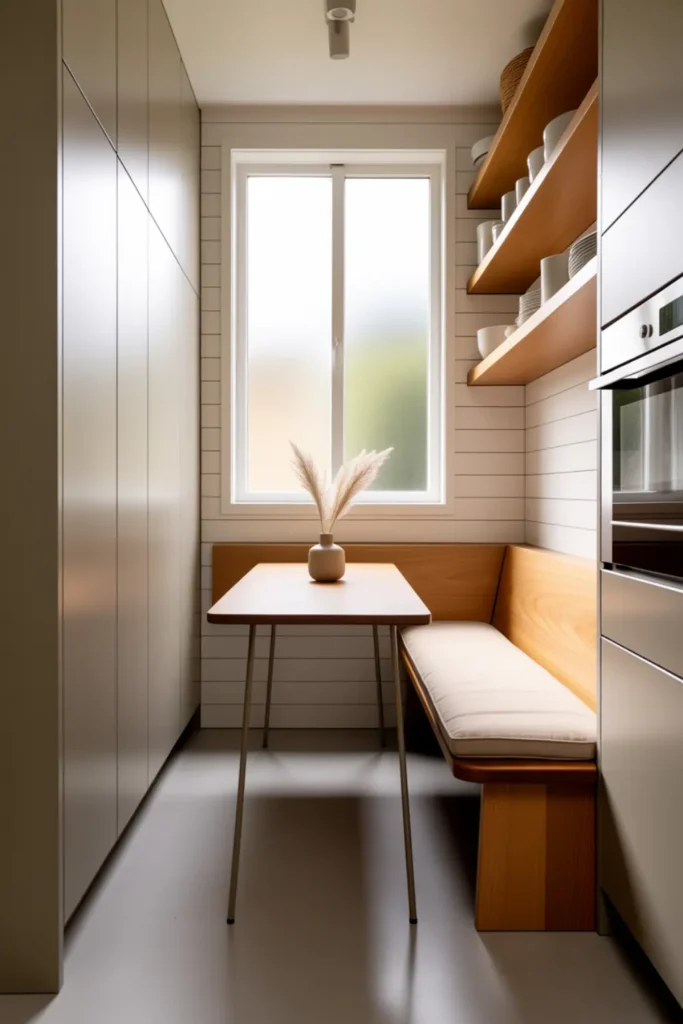
A galley kitchen does not have to mean zero dining options. A slim, straight bench pressed against one wall gives you real seating without eating into the walkway.
I keep the bench depth around 16 to 18 inches in tight galleys so traffic can still flow freely on the other side.
Pair it with a narrow wall-mounted table that folds down when not in use and you have a fully functional dining setup in practically no footprint.
Double-Sided Peninsula Banquettes
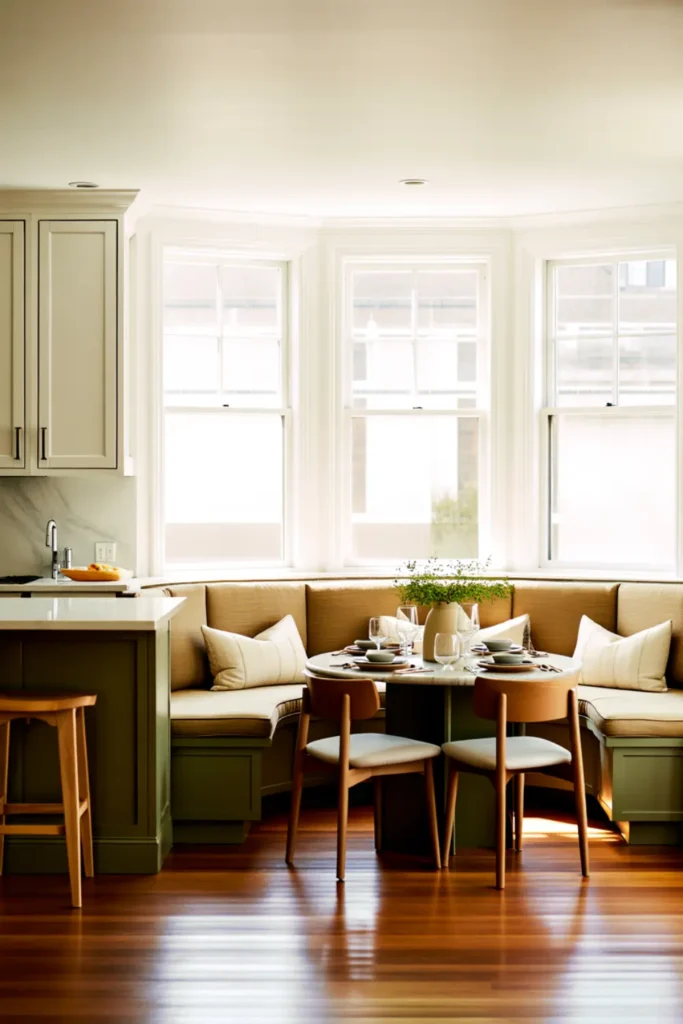
A double-sided banquette does two jobs at once. One side anchors your kitchen dining nook while the other creates a casual living room bench, all within a single beautiful structure.
I love this solution in open-concept homes where you need a visual boundary between spaces without building a wall.
It defines zones, adds seating on both sides, and becomes the architectural centerpiece of the entire open floor plan.
Deep Seat Lounging Nooks
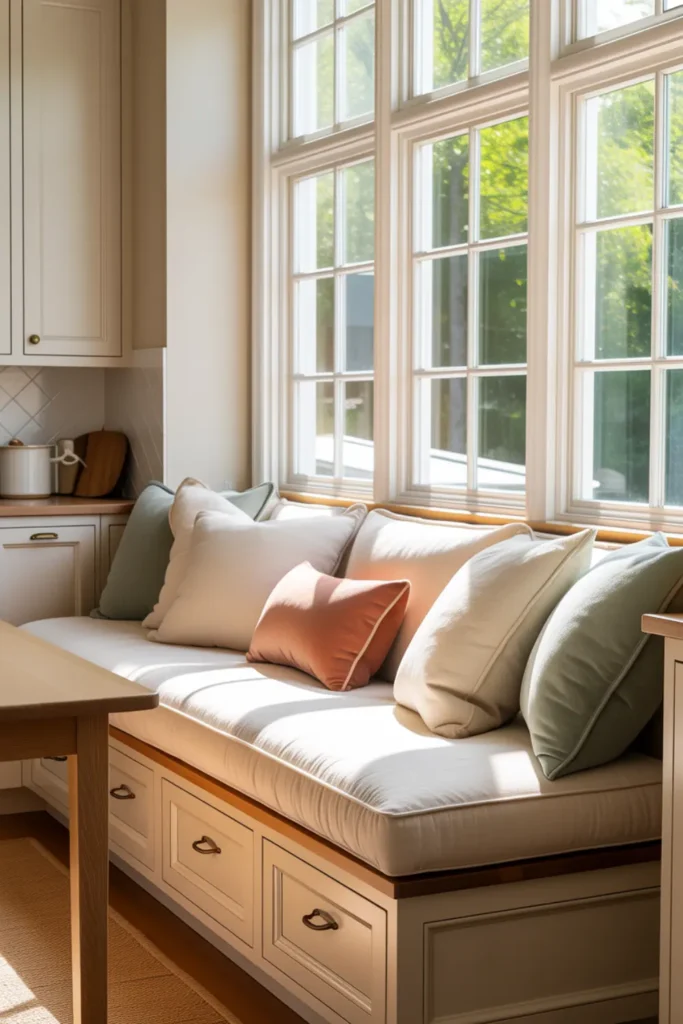
Standard bench depth sits around 18 inches. Push that to 24 or even 30 inches and your banquette transforms into something far more versatile and genuinely irresistible.
I design deep-seat nooks for clients who want their kitchen to feel more like a living space than a purely functional room.
Pile on oversized cushions and throw pillows and suddenly you have a breakfast nook that doubles as an afternoon reading spot.
Monochromatic Modern Masterpiece
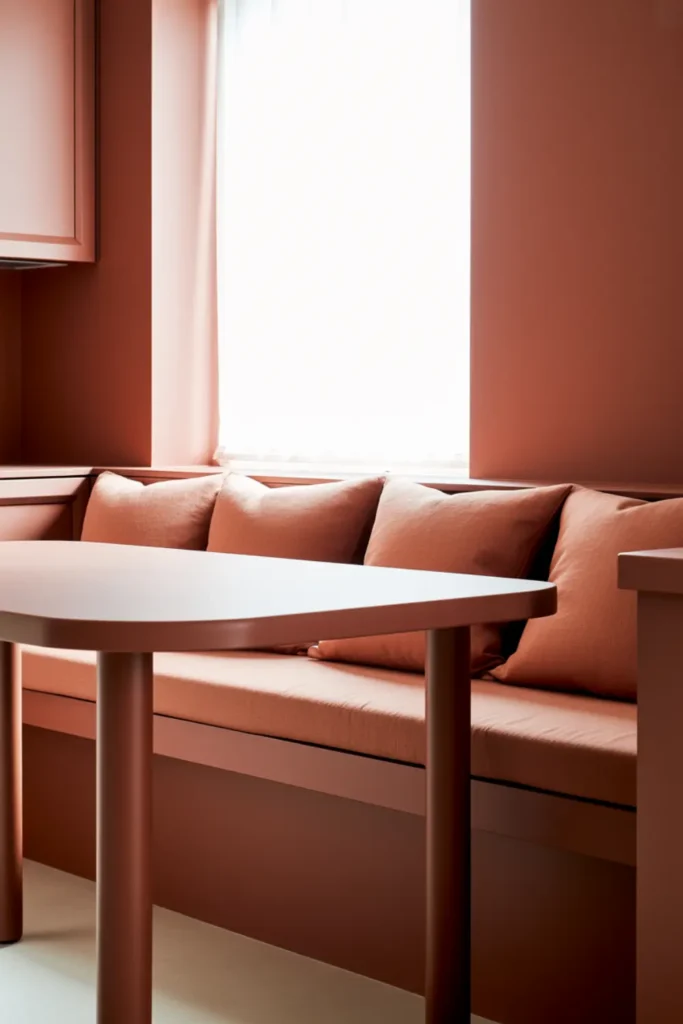
Painting your bench base, back wall, and cushion fabric in a single unified color is one of the boldest and most effective design moves you can make.
I have used this technique with muted terracotta, warm sage, and soft clay tones to create nooks that feel like they belong in a high-end design magazine.
The monochromatic approach removes visual clutter entirely and makes the architecture of the seating feel intentional and sculpted.
The Hidden Corner Under the Stairs
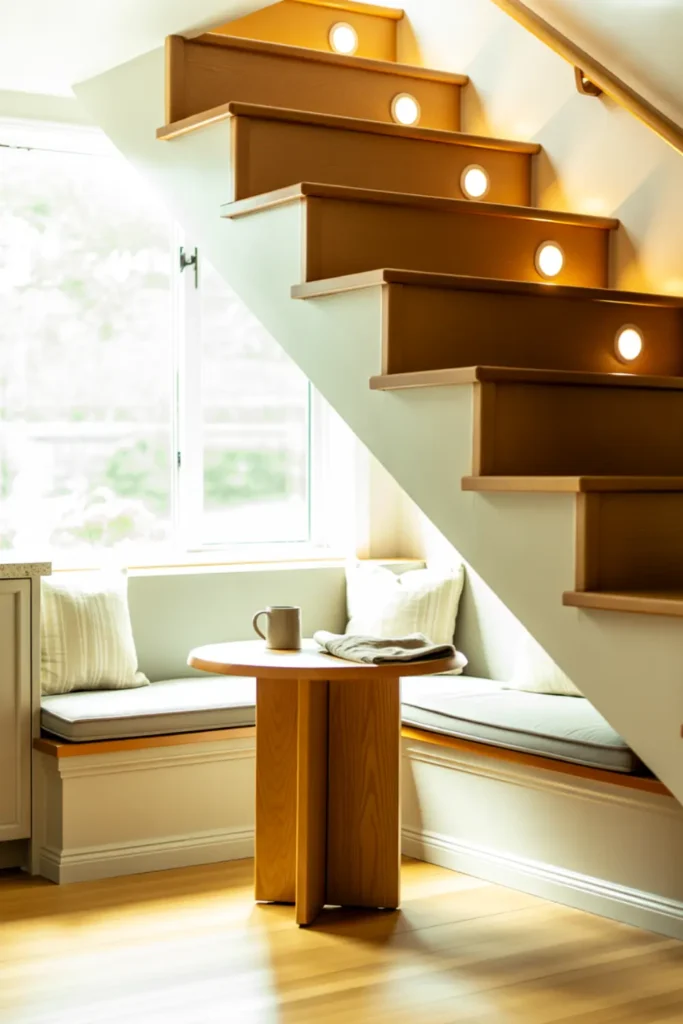
The slope under a staircase is one of the most awkward spaces in any home. A custom banquette bench built directly into that tuck turns it into the most charming corner in the kitchen.
I always say that constraints breed creativity, and this is the perfect example.
Add recessed lighting above, a small round cafe table, and a few cushions and you have a cozy dining nook that genuinely surprises every guest who sees it.
Slat-Wood Scandinavian Details
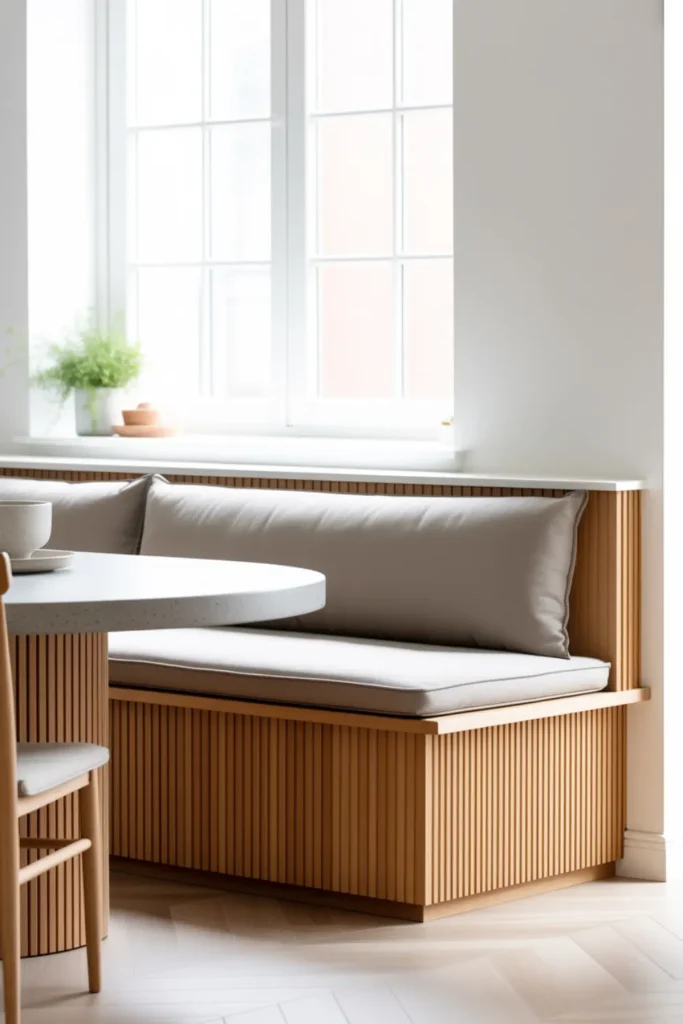
Vertical wood slats on a banquette base add texture and warmth without making the piece feel heavy. It is a detail borrowed straight from Scandinavian design, where every material choice carries quiet intention.
I love using light oak slats against white walls because the contrast is subtle but genuinely beautiful.
The slatted look also feels fresh and current without chasing trends, which means it ages gracefully for years to come.
The Round Pedestal Table Pairing
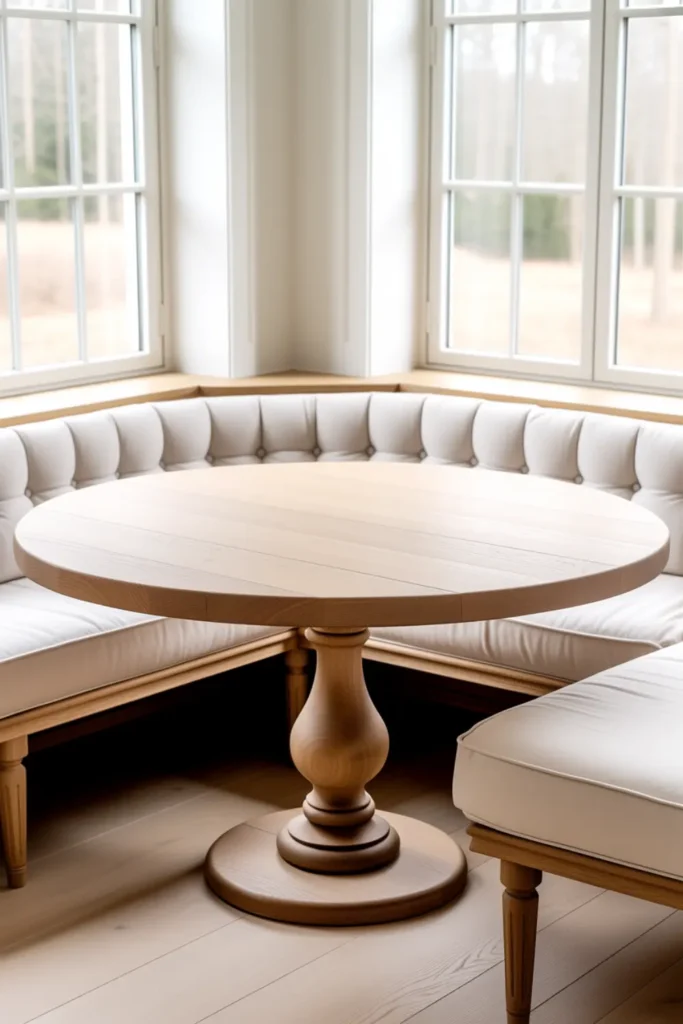
Table choice matters more than most people realize. A round pedestal table with a single central leg is the most practical match for banquette seating because there is nothing to knock your knees against when sliding in.
I specify pedestal tables almost exclusively for built-in benches, especially in L-shaped and U-shaped layouts where corner access matters.
The round shape also encourages conversation by keeping every seat equally close to the center of the table.
Built-In Bookshelf Surround
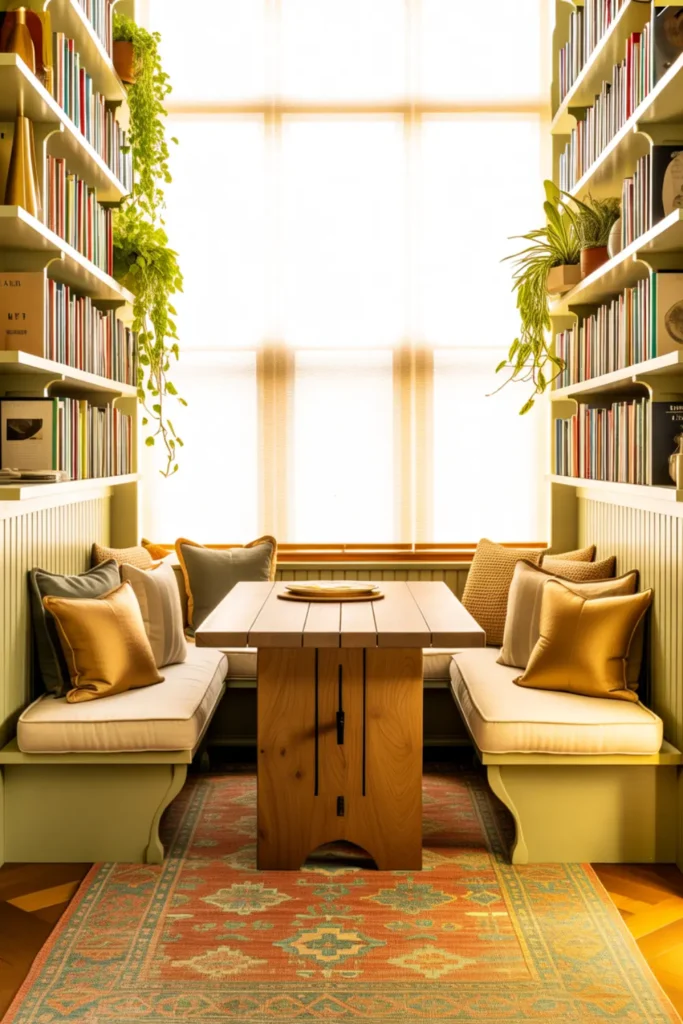
Flanking your banquette with tall open shelving turns a simple seating nook into a fully immersive environment. Stack cookbooks, tuck in trailing plants, and display a few favorite objects.
I have designed this combination in kitchens where the nook needed to feel like its own distinct room within a room.
The shelves frame the seating beautifully and give the entire corner a collected, lived-in personality that no artwork alone could achieve.
Bold Wallpaper Backdrops
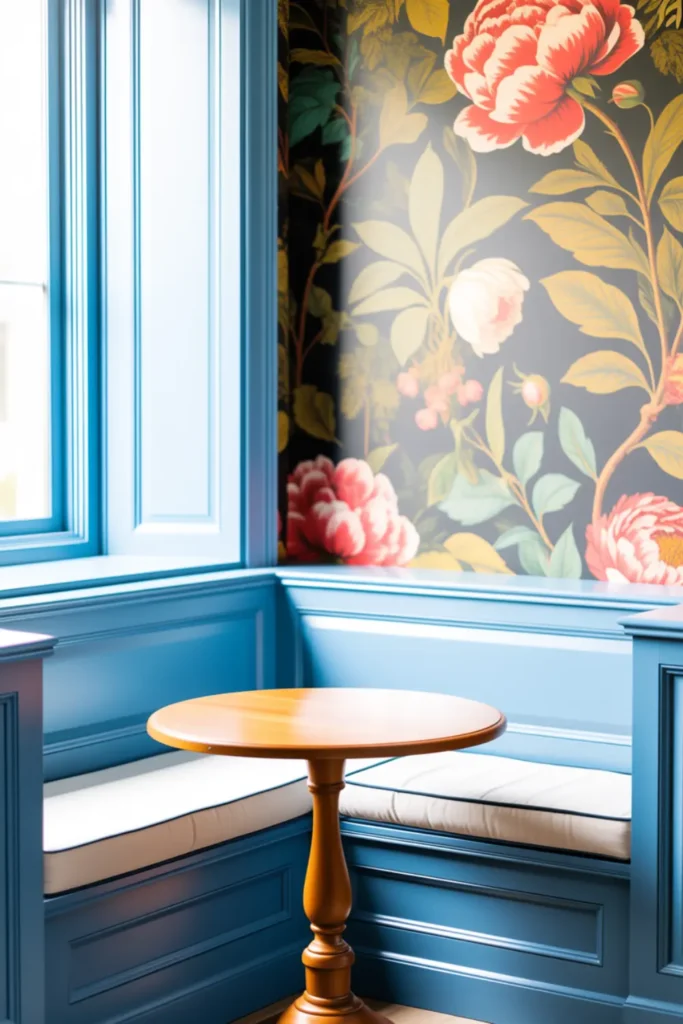
A banquette nook is one of the best places in the home to commit to a bold wallpaper. The area is small and contained, which makes even the loudest pattern feel intentional rather than overwhelming.
I always encourage clients to use this nook as their wallpaper experiment zone, especially if they are nervous about committing to a full room.
One dramatic floral or graphic print behind the bench completely transforms how the entire kitchen feels.
U-Shaped Booths for Large Families
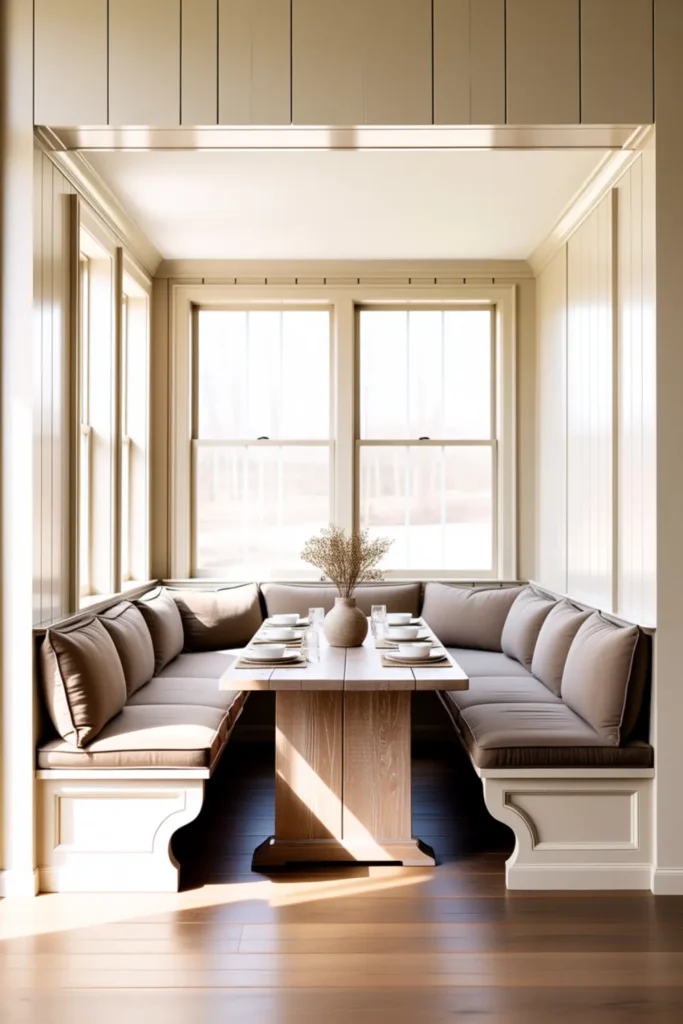
A U-shaped banquette wraps completely around the table and creates one of the most generous, inclusive dining setups possible. It comfortably seats six to eight people without anyone feeling crowded or cut off from the conversation.
I recommend this layout for families who eat together daily and want that gathering spot to feel genuinely special.
The wraparound structure also keeps younger kids safely tucked in, which is a practical bonus most parents deeply appreciate.
Open Bottom Benches for Baskets
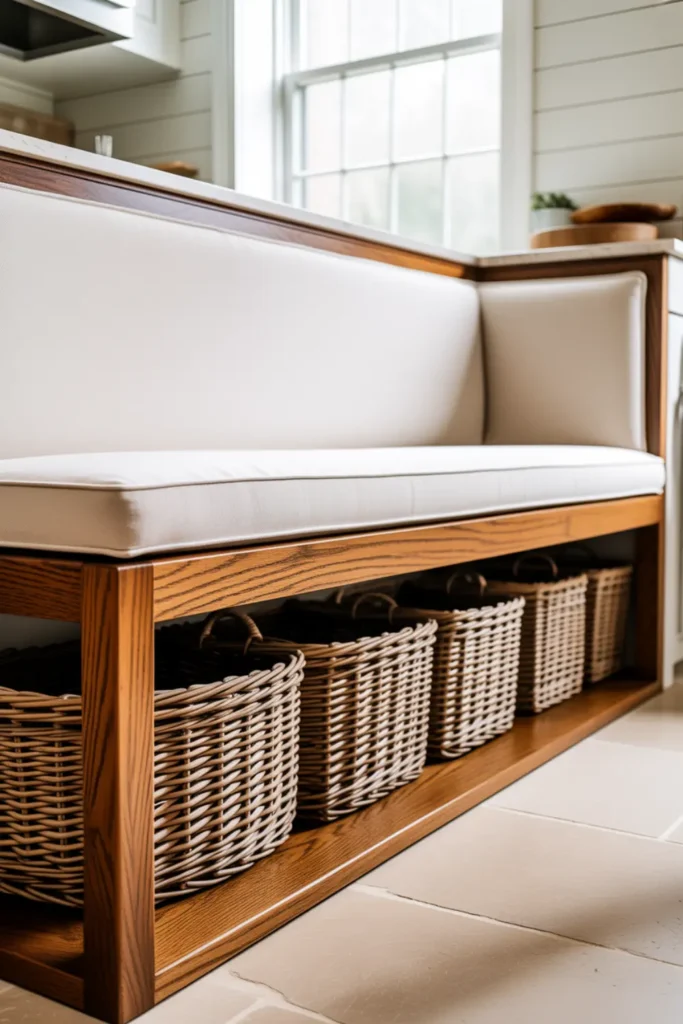
Skipping the solid base and leaving the bottom of your bench open is a storage idea that looks just as good as it functions. Woven rattan baskets slide underneath and add organic texture to the whole nook.
I use this approach in kitchens where the overall aesthetic leans natural and relaxed rather than polished and built-in.
It is also a much more affordable construction option since you are essentially building a simple frame rather than a full cabinet base.
Chic Mixed Material Seating
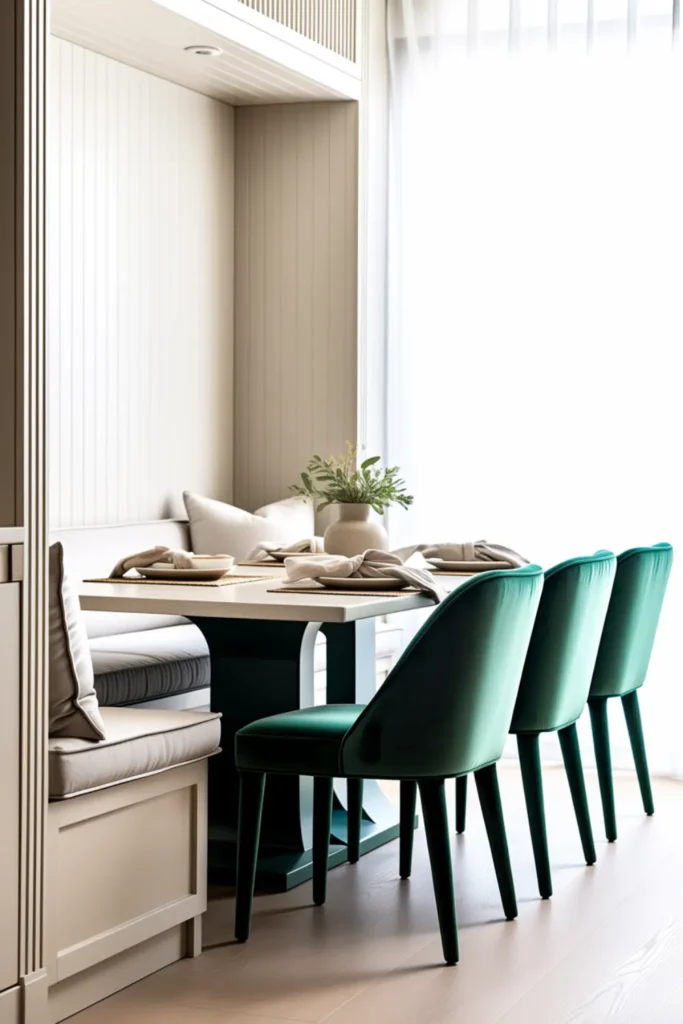
Placing a built-in bench on one side of the table and upholstered dining chairs on the other is one of my favorite ways to add visual variety to a kitchen nook.
The contrast between the structured bench and the softer chairs creates a layered, collected look that feels curated rather than matchy.
I especially love pairing a white wood banquette with rich emerald or deep navy velvet chairs for a combination that feels genuinely elevated.
The Low-Profile Window Seat
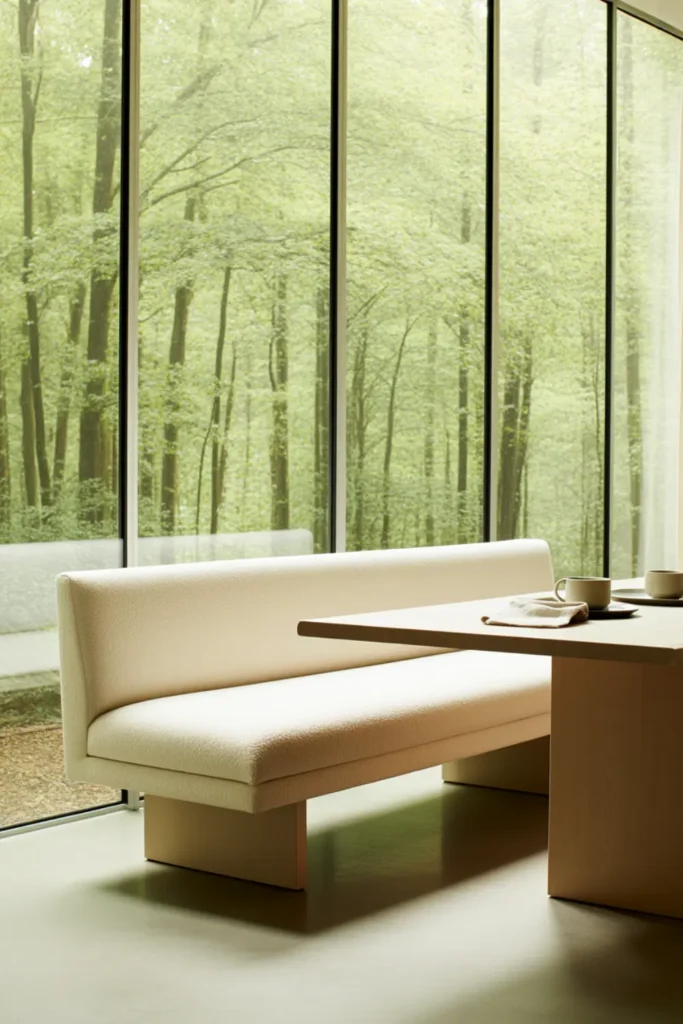
When your kitchen faces a beautiful garden, a tree line, or an open sky, the last thing you want is a tall backrest cutting the view in half.
A low-profile backless bench keeps the sightline completely open while still providing comfortable, generous seating for daily meals.
I recommend adding thick seat cushions to compensate for the missing back support, and positioning the table close enough to lean against comfortably.
Elegant Fluted Plaster Finishes
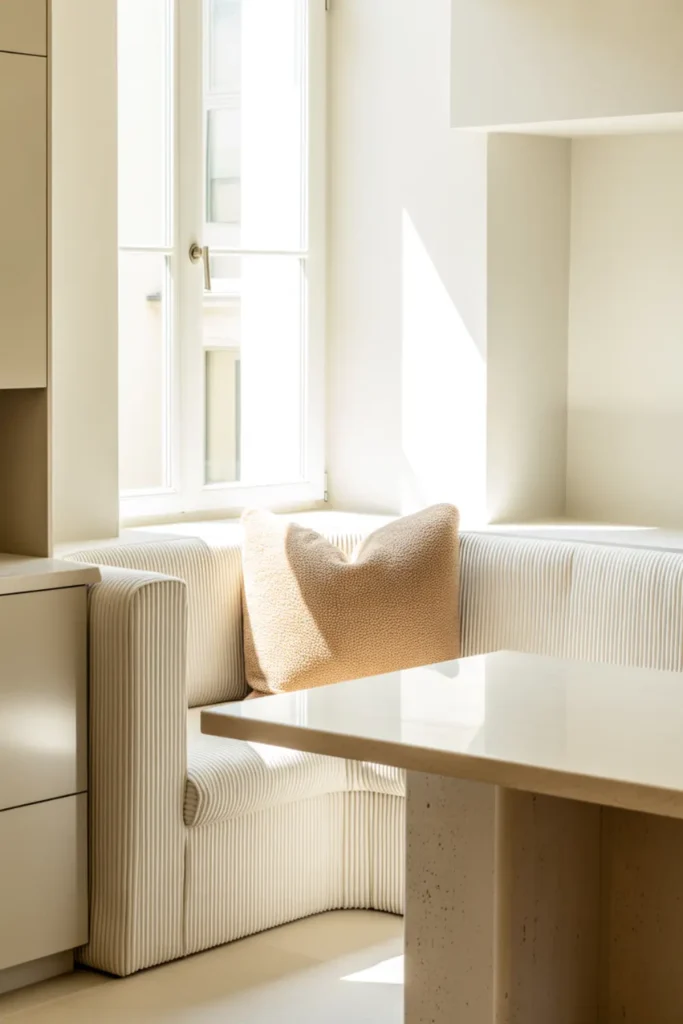
A fluted plaster base on a banquette bench is the kind of detail that makes guests stop and ask who designed your kitchen. The vertical ridges catch light beautifully and give the piece a sculptural, artisanal quality.
I have specified this finish in high-end kitchen renovations where the client wanted something that felt truly one of a kind.
Pair it with a boucle cushion and a stone table and the entire nook reads as a considered, gallery-worthy composition.
The Cozy Freestanding Settee Fake-Out
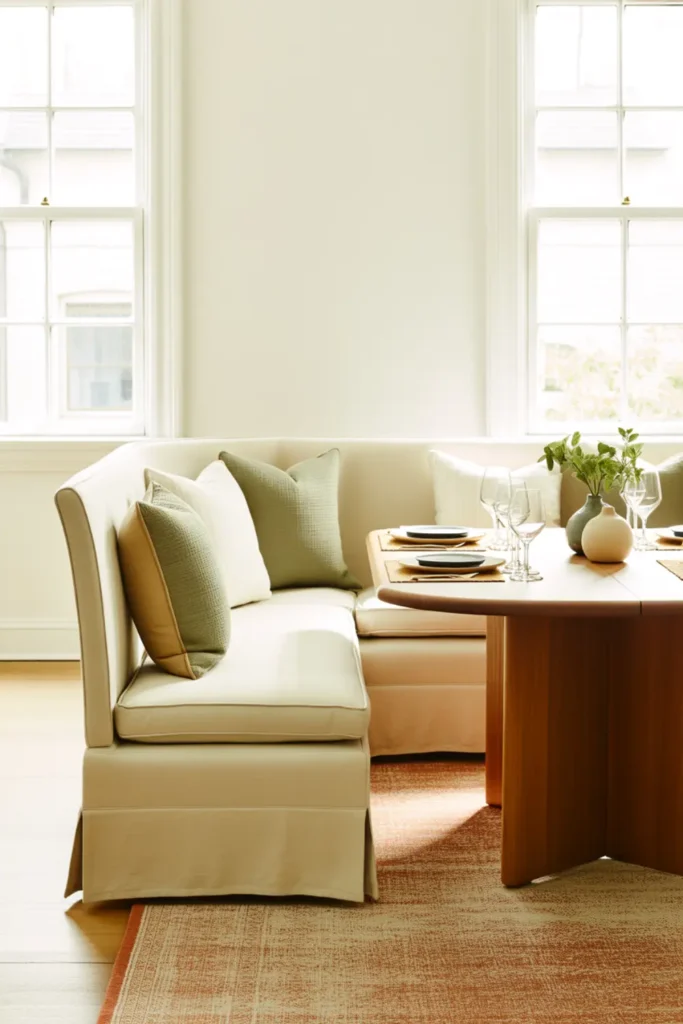
Not every home has the budget or the landlord permission for a fully built-in banquette. A freestanding upholstered settee pushed against a wall achieves nearly the same effect at a fraction of the cost and commitment.
I always recommend this route for renters or anyone in a transitional home who still wants that cozy, intentional dining nook feeling.
Add a vintage rug underneath and the settee instantly looks like it was always meant to be there.
Classic Coastal Beadboard Detailing
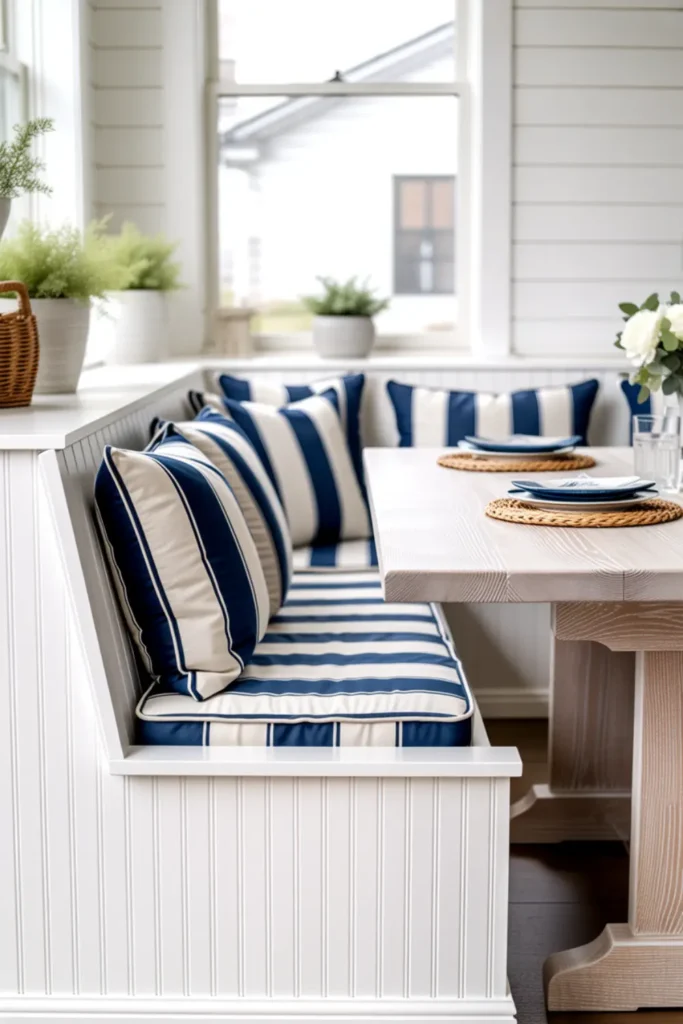
Beadboard paneling on a banquette base immediately signals relaxed, unhurried living. It is a detail pulled straight from classic beach house design and it works just as beautifully in a city kitchen as it does by the shore.
I pair it with navy and white striped cushions almost every time because the combination is timeless without feeling predictable.
The texture the beadboard adds to an otherwise flat base is subtle but makes an enormous difference in how finished and intentional the whole nook feels.
Contrast Piping for Tailored Elegance
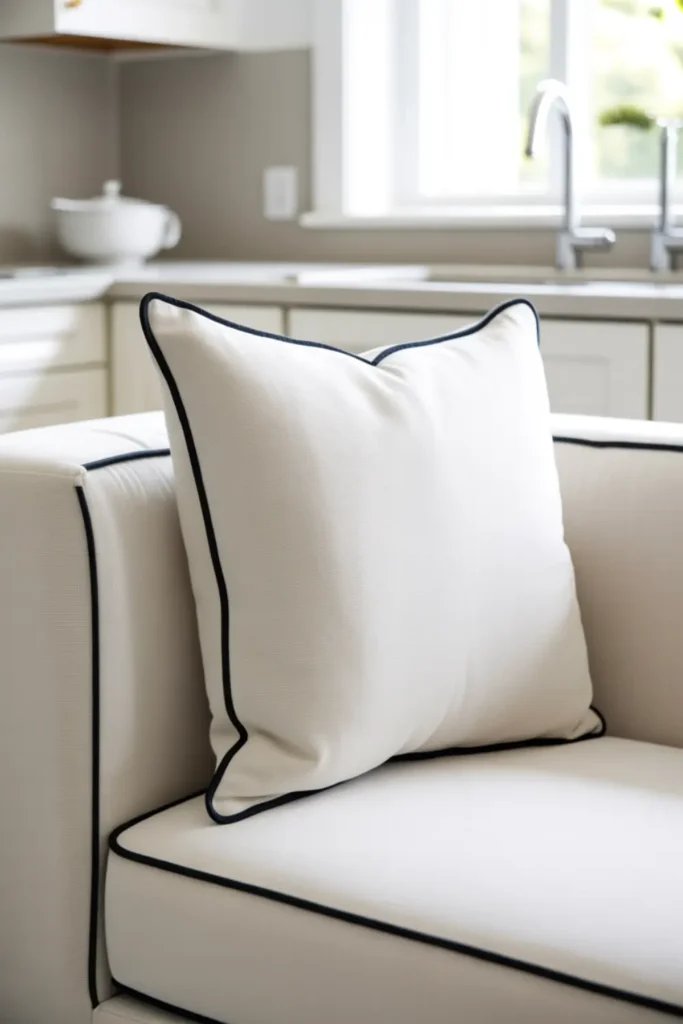
Contrast piping is a small detail that communicates a very high level of craft. A crisp black or dark navy trim stitched along the edge of a white or cream cushion gives the entire bench a sharp, tailored hotel quality.
I specify contrast piping whenever a client wants their banquette to feel custom and considered rather than pulled from a catalog.
It costs very little extra during upholstery and the visual payoff is completely disproportionate to the investment.
Clever Lift-Top Hidden Compartments
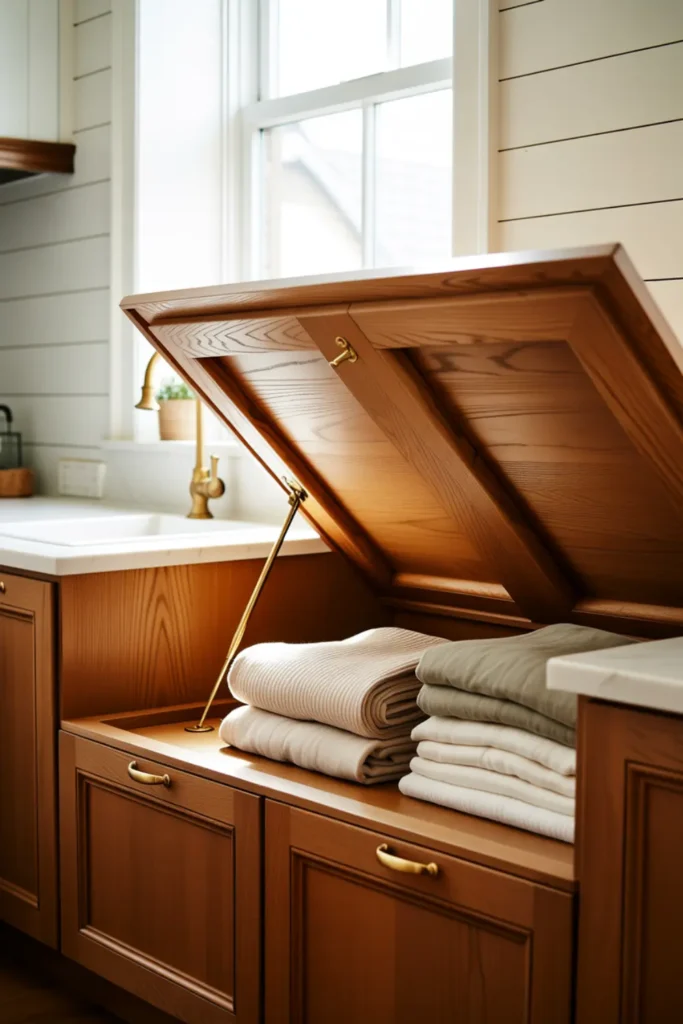
For items you only need a few times a year, a piano-hinge lift-top banquette is still one of the most efficient storage solutions in any home. Holiday linens, extra throws, and seasonal decor all disappear neatly inside.
I recommend this style specifically for deep benches where a drawer would require too much clearance to pull open comfortably.
The key is using a quality hinge with a soft-close mechanism so the lid never slams shut unexpectedly.
Bold Two-Tone Color Blocking
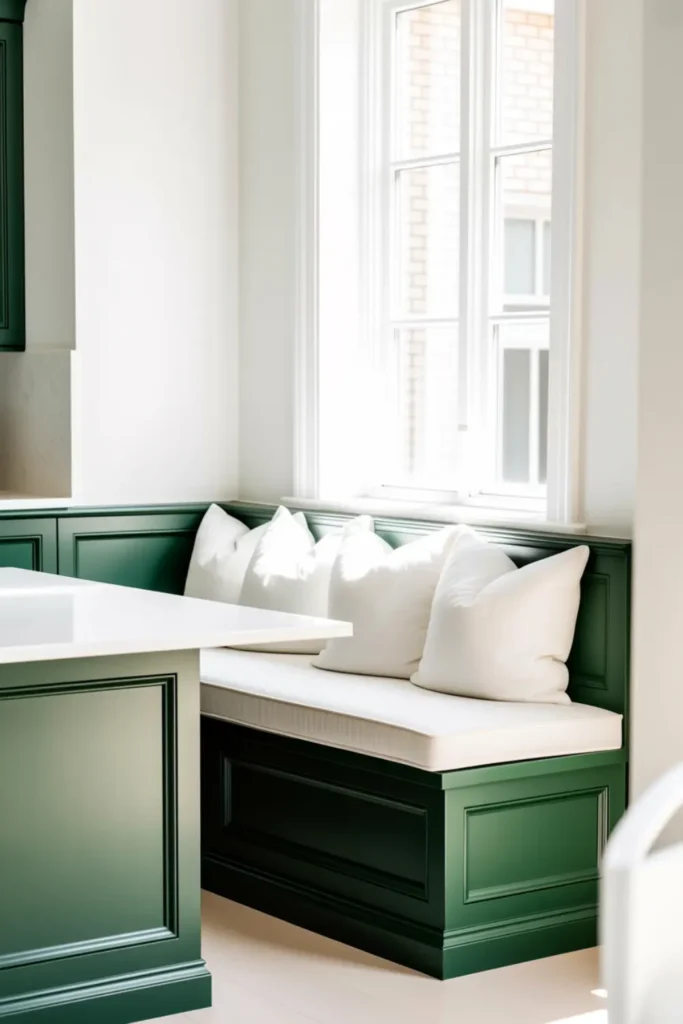
Painting the banquette base a deep, saturated color while keeping the cushions, walls, and table light and bright is a technique that grounds the nook without making it feel heavy or dark.
I have used forest green, inky navy, and warm charcoal bases against crisp white surroundings and the result is always striking and sophisticated.
Benjamin Moore cabinet paints are my go-to for this because the finish is hard-wearing and the depth of color is genuinely rich.
The Wabi-Sabi Organic Minimalist Approach
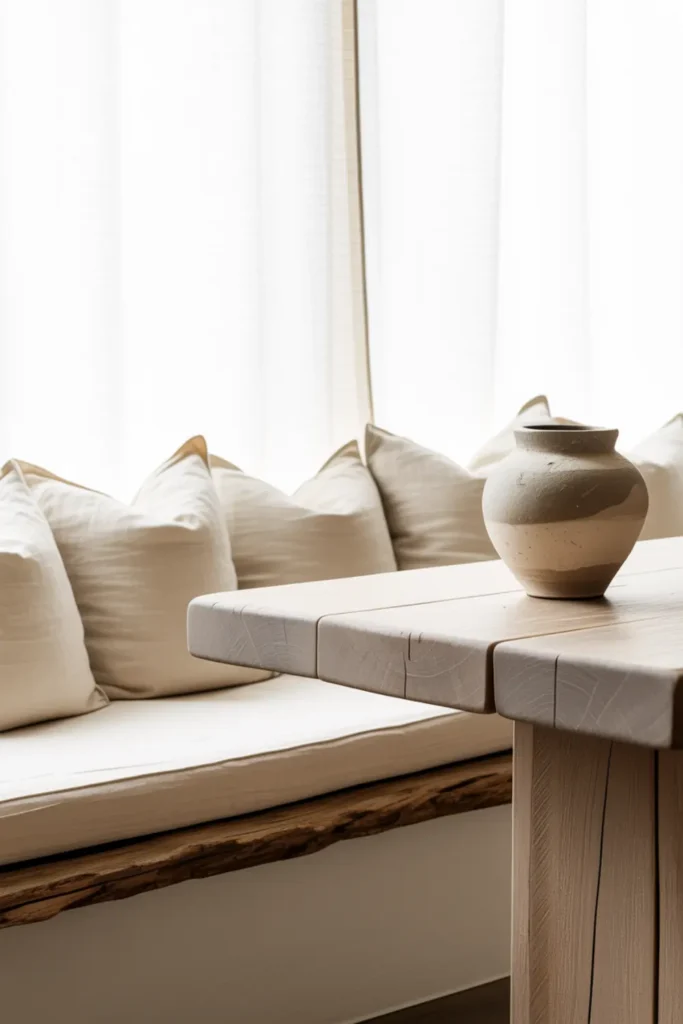
Wabi-sabi design asks you to stop chasing perfection and start appreciating what is already real and honest about a material. A banquette built in this spirit uses raw wood with visible grain, unbleached linen cushions, and slightly asymmetrical proportions.
I love designing these nooks for clients who want their kitchen to feel deeply calming and completely free from trend pressure.
Nothing here needs to match precisely. The beauty is entirely in the quiet imperfection of each individual element working together.
Integrated Pet Stations Under the Bench
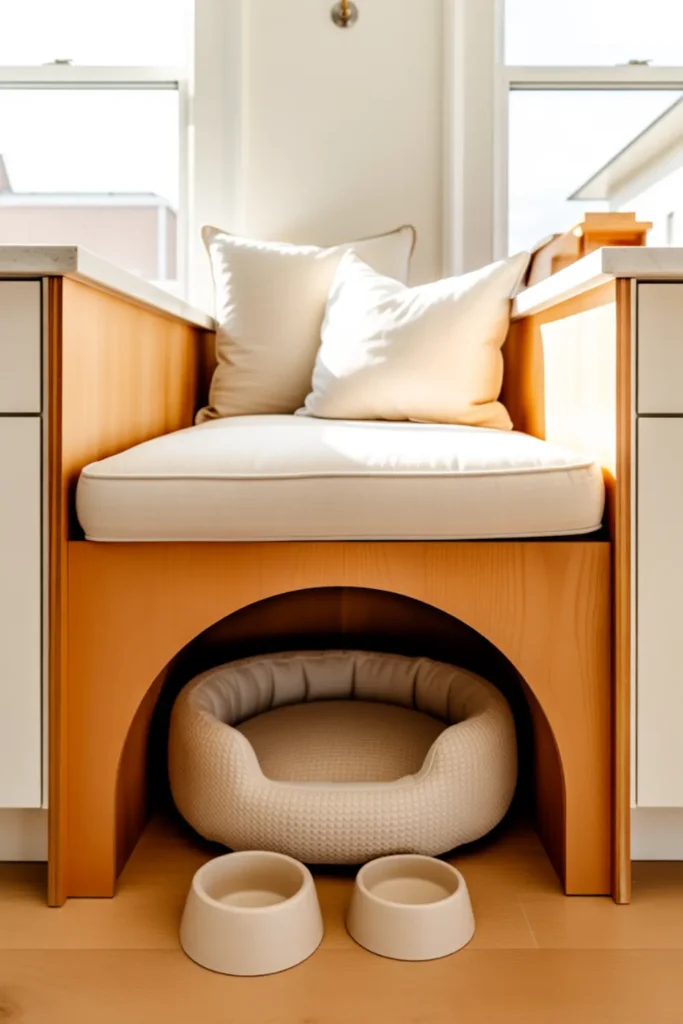
This is one of those ideas that once you see it, you cannot believe it is not standard in every family kitchen. A small arched cut-out built directly into the banquette base creates a dedicated, hidden home for a dog bed or pet feeding station.
I have included this detail in several family kitchen projects and it genuinely delights every single client.
The pet nook stays tucked away and tidy while the bench above functions completely as normal. Everyone in the household gets their own cozy corner.
Ready to Build Your Dream Banquette?
Kitchen banquette seating is one of the highest-impact, most practical upgrades you can bring into any home. Whether you go custom built-in or start with a freestanding settee, the result is always a warmer, more inviting kitchen.
Save this article and come back to it when you are ready to plan. Browse our kitchen and dining decor guides for more layout ideas and styling inspiration.
Quick Kitchen Seating FAQs
What is the standard seat height for a kitchen banquette?
Most banquette seats sit between 17 and 19 inches from the floor, which pairs correctly with a standard 30-inch dining table.
How deep should a banquette bench be?
A comfortable everyday bench runs 18 to 20 inches deep. For a lounging deep-seat nook, push that to 24 to 30 inches.
What fabric holds up best for banquette seating?
Performance fabrics like Crypton and Sunbrella are the most durable choices for daily family use. For seating dimensions reference, Architectural Digest’s seating guide is an excellent starting point.