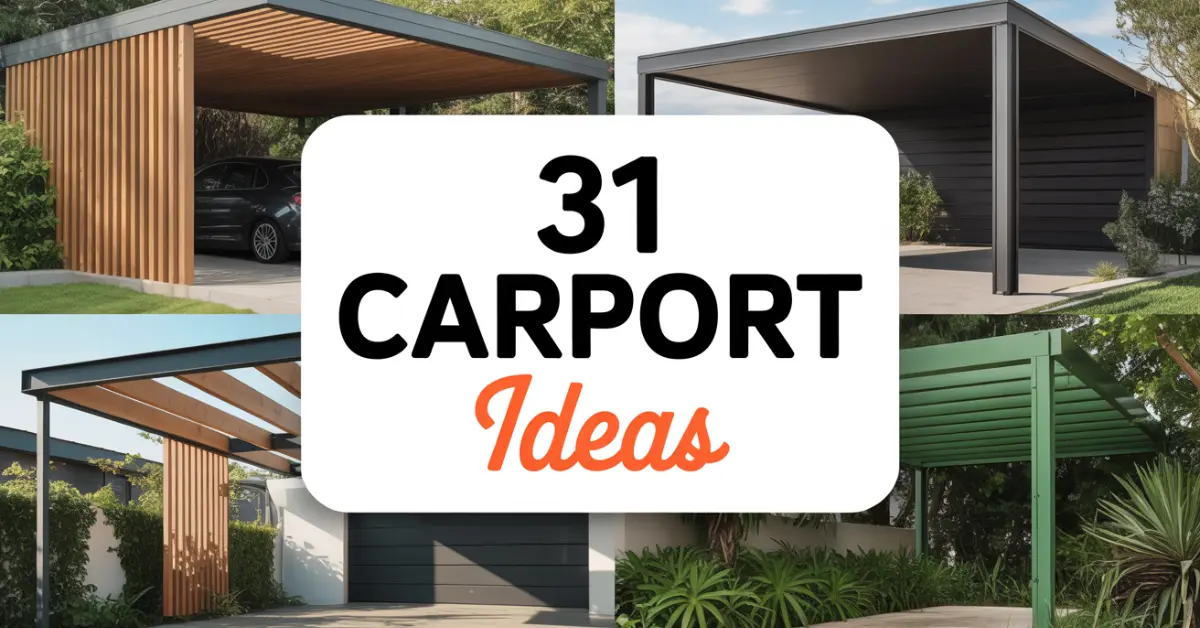
The best carport designs combine function, style, and curb appeal — all without breaking the bank. Whether you want a sleek modern shelter or a cozy wooden canopy, there’s a design that fits your driveway and your budget. This list covers 31 fresh, architect-approved ideas to protect your car and upgrade your home’s exterior at the same time.
The Minimalist Cantilever: Floating Architectural Magic
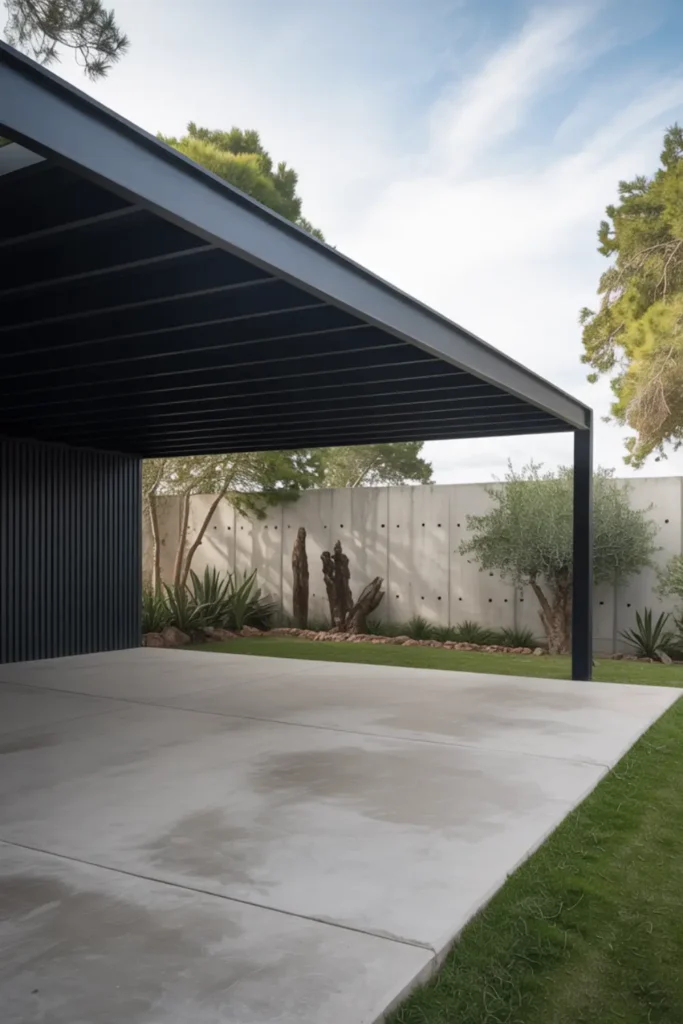
A cantilever carport uses a single support column on one side, letting the roof appear to “float” in mid-air. It’s one of the cleanest, most architectural looks you can achieve. The open design keeps your driveway feeling wide and uncluttered. Style it with matte black steel and a flat concrete-tone roof for a sharp, gallery-worthy finish. Perfect for narrow lots or modern homes craving strong visual lines. For more inspiration, check out Architectural Digest’s outdoor design coverage.
The Solar Canopy: Eco-Friendly Power Hub
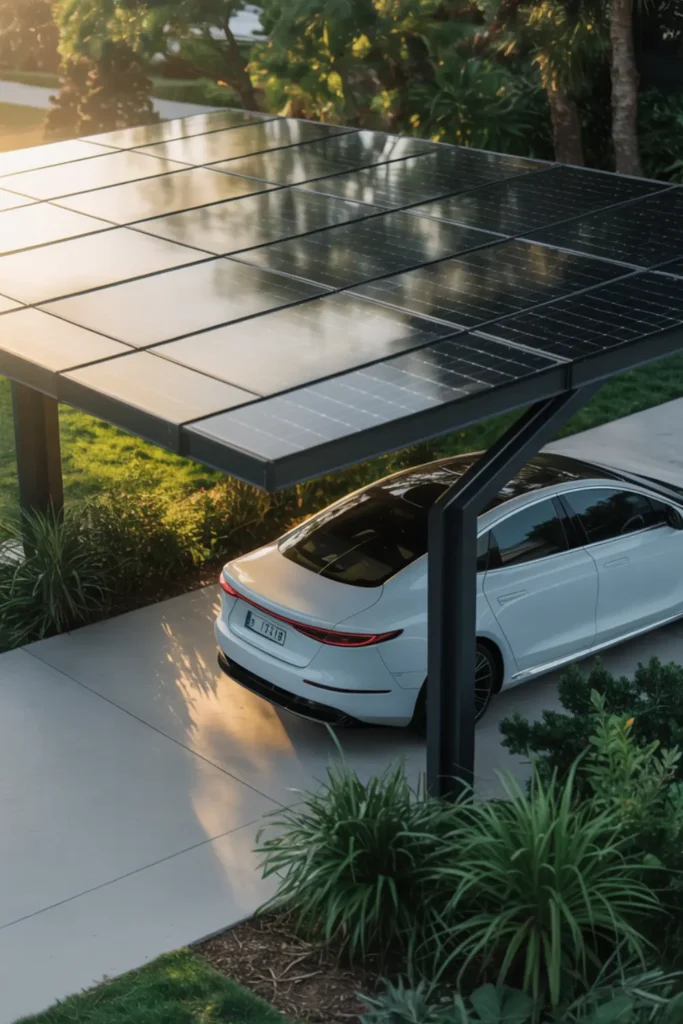
A solar carport turns your roof panels into a working power source. The panels are the roof — no extra materials needed. This dual-purpose design is a smart home upgrade that cuts energy bills while sheltering your car. Pair it with an EV charger below and clean metal posts for a futuristic, magazine-worthy look. It’s practical, stylish, and one of the most forward-thinking carport ideas on this list.
The Rustic Timber Frame: Farmhouse Charm
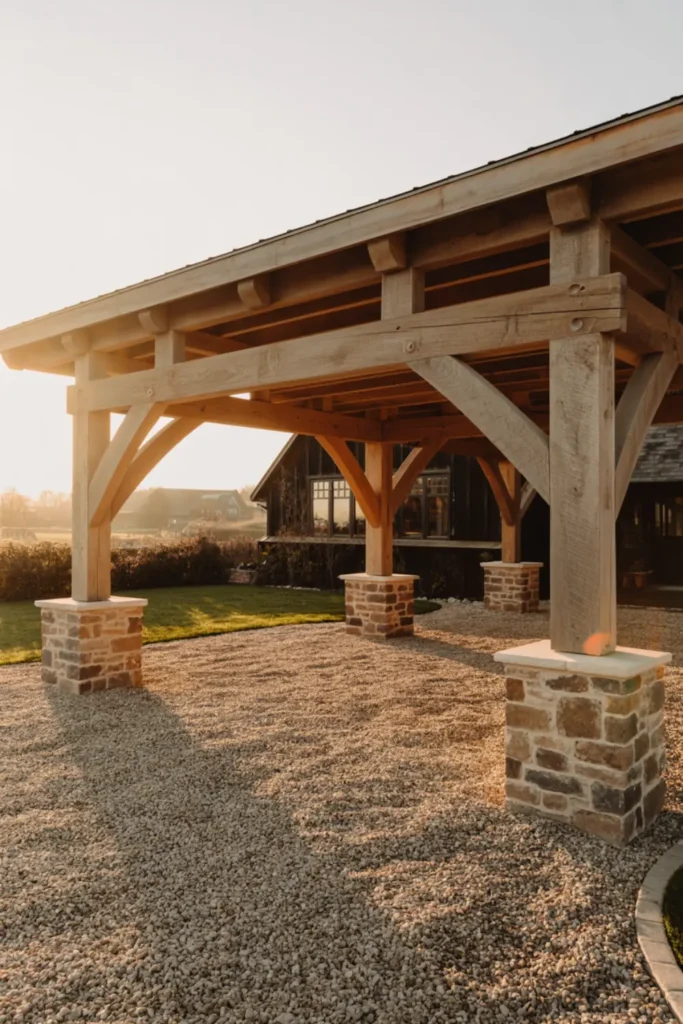
Thick wooden beams, stone column bases, and a gravel driveway — this carport feels warm and grounded. The timber frame style suits farmhouses, cottages, and craftsman homes beautifully. Rough-hewn wood adds texture and character that no metal kit can replicate. Add climbing vines or hanging lanterns to push the cozy factor even further. For landscaping ideas that complement this look, visit The Spruce’s outdoor living guides.
The Polycarbonate Glow: Bright & Weatherproof
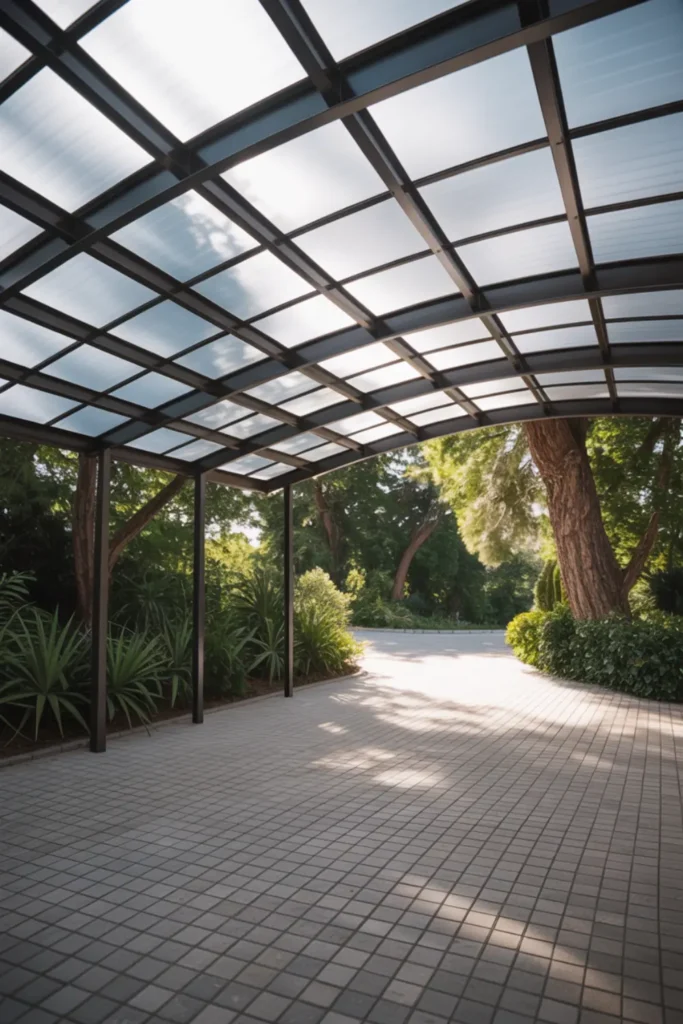
Frosted polycarbonate roof panels are a quiet game-changer. They block harsh UV rays while still letting soft, diffused natural light pour through — keeping your carport bright without the heat. The result is an airy, open-feeling space that never feels like a dark cave. Pair with slim aluminum framing for a clean, modern silhouette. This is a budget-friendly option that genuinely looks high-end from the street.
The Green Roof Oasis: Nature-Integrated Parking
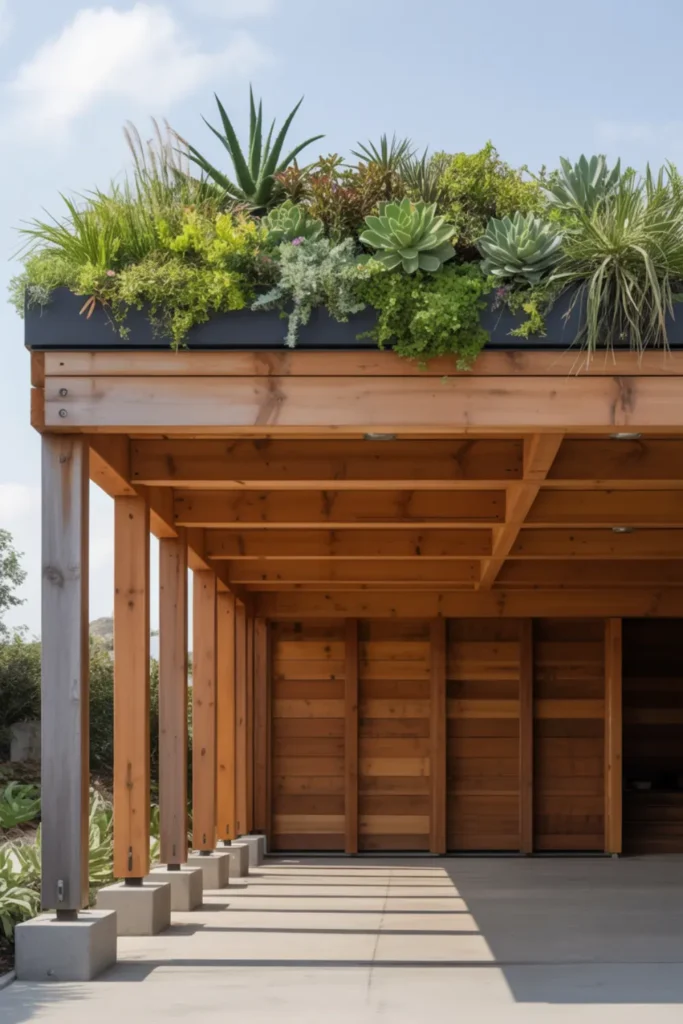
A living roof carport is one of the boldest design moves you can make. Succulents, grasses, and drought-tolerant plants grow directly on the roof structure, softening the entire driveway area. It’s genuinely stunning from above and street level. Beyond the aesthetics, green roofs add insulation and absorb rainwater. Use a sturdy timber frame to handle the added soil weight and keep plants low-maintenance.
The Breezeway Connector: Seamless Home Integration
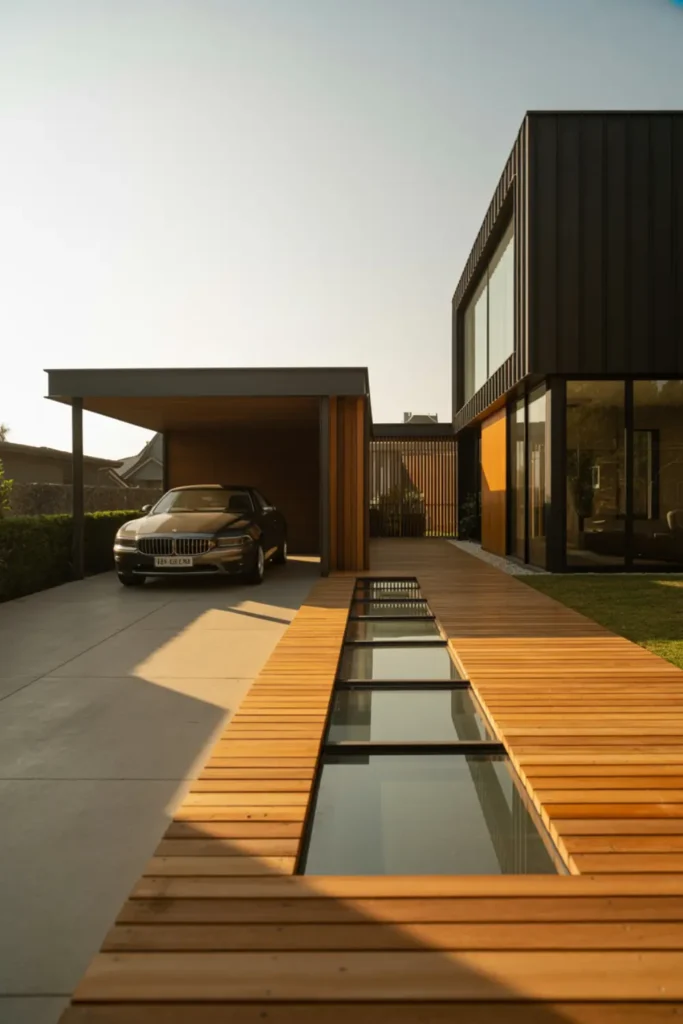
A breezeway-connected carport solves one of the most overlooked problems in home design — getting from your car to your front door without getting soaked. A covered walkway bridges the gap between a detached carport and your main entrance. Use matching materials like stained wood or painted steel to create a cohesive, architectural flow. Add pathway lighting underneath for a warm, inviting arrival every single evening.
For those who eventually want to upgrade, shifting from a simple canopy to modernizing enclosed vehicle storage increases property value.
The Double-Duty Patio: Entertain & Park
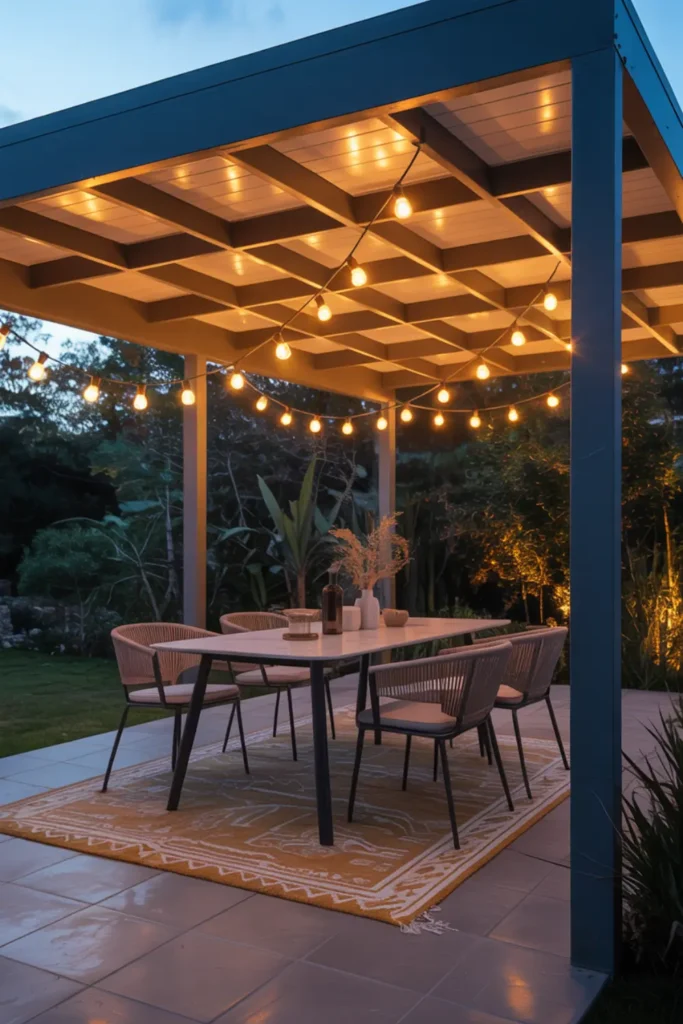
Your carport doesn’t have to sit empty on weekends. Move the car out and you instantly have a covered outdoor dining space. String lights overhead, an outdoor rug underfoot, and a simple table transform the slab into a cozy entertaining zone. This is one of the smartest space hacks for smaller homes with limited backyard space. The existing roof does all the heavy lifting — no extra structure needed.
The Paver Integration: Matching Ground and Roof
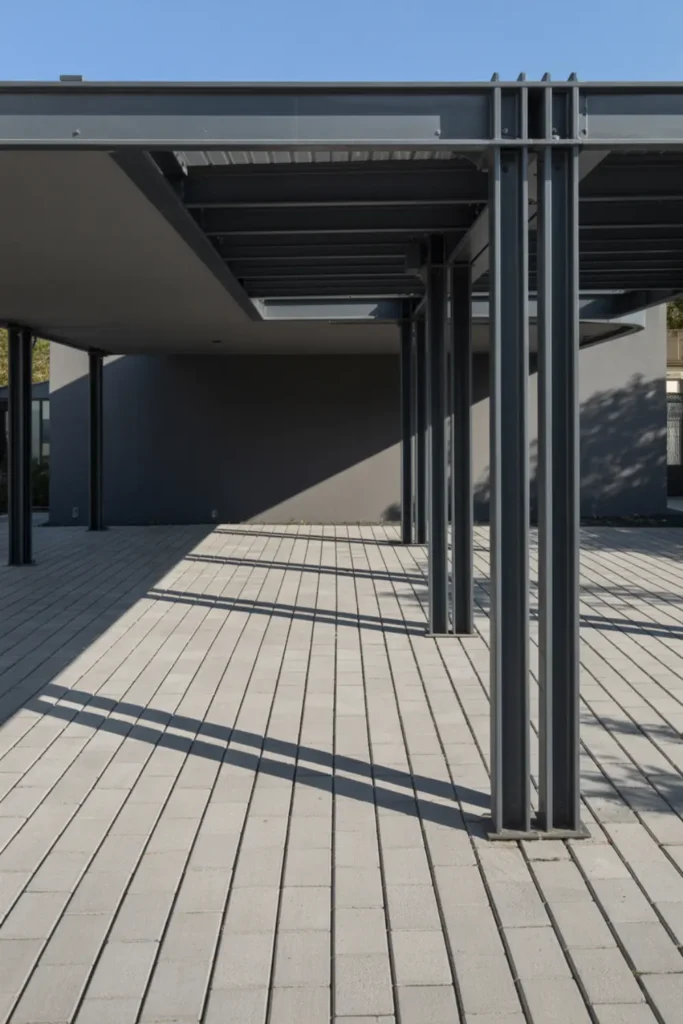
True design cohesion happens when the driveway and the carport feel like one intentional composition. Align your paver pattern — whether herringbone, grid, or linear — directly with the spacing of your carport columns. The visual symmetry is deeply satisfying and makes the entire exterior feel architecturally considered. Stick to neutral tones like charcoal, sand, or warm gray to keep the palette clean and timeless from every angle.
The Black Steel Grid: Industrial Chic
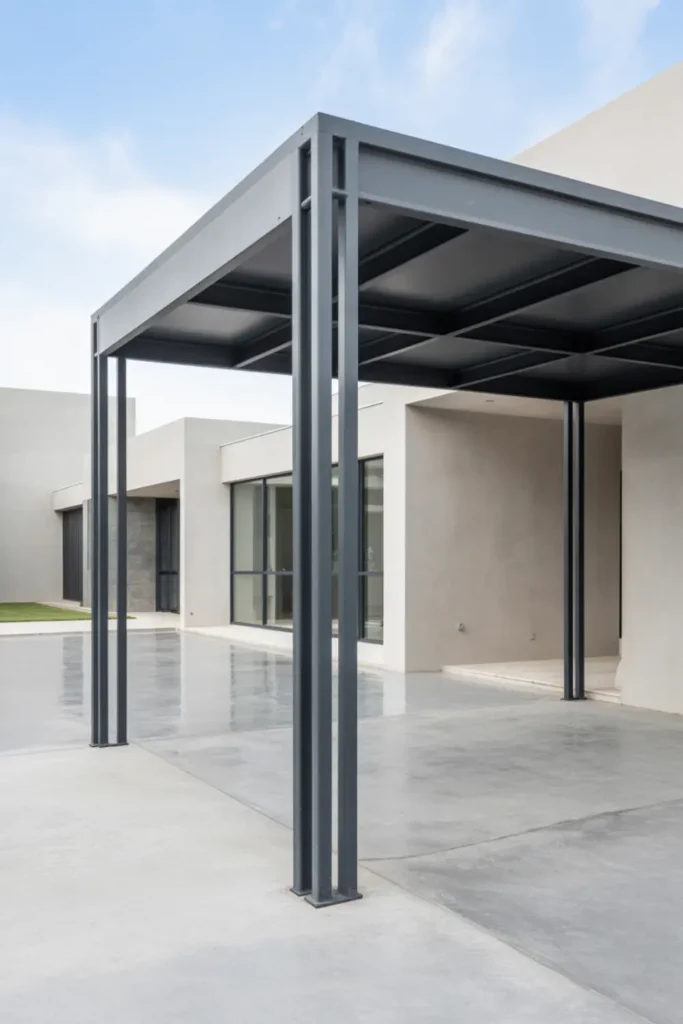
Thin matte black steel framing is having a serious moment in modern home design. A black steel carport delivers sharp, geometric lines that contrast beautifully against light-colored concrete or white rendered walls. It’s bold without being loud. The open grid structure keeps things feeling lightweight rather than heavy or imposing. This style works especially well on contemporary homes with flat rooflines and minimal exterior ornamentation already in place.
The Slatted Wood Screen: Privacy & Airflow
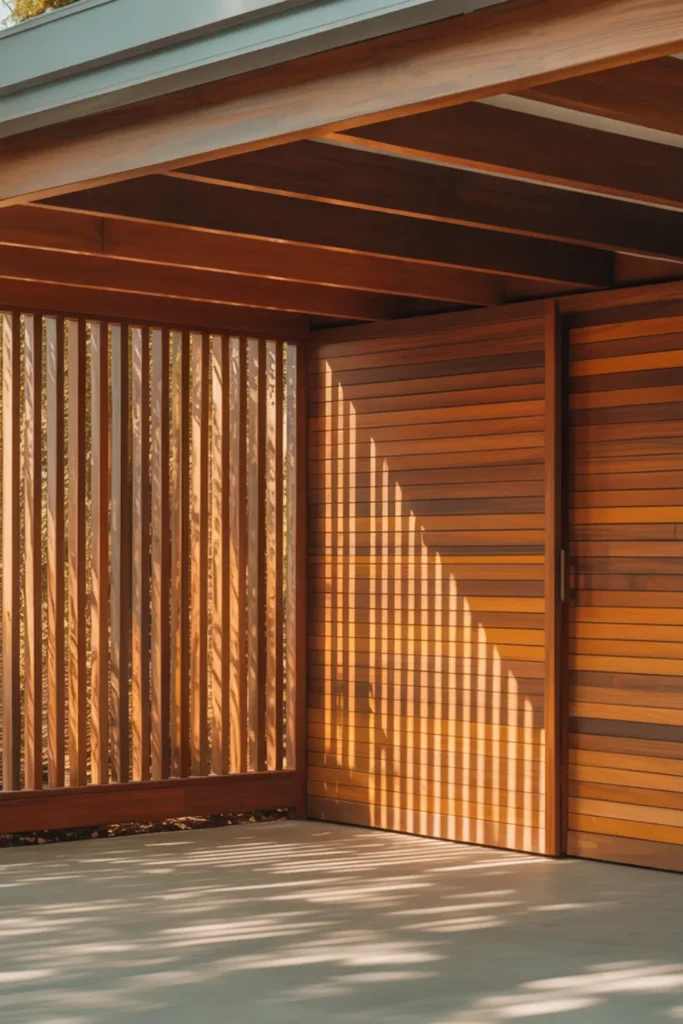
Horizontal wooden slats on one side of your carport do two things beautifully — they block sightlines from the street while still letting breezes and dappled light filter through. The effect is warm, textured, and deeply mid-century modern. Cedar and hardwood age gracefully outdoors with minimal sealing. Position the screen on the side facing your neighbor or the road for maximum privacy without making the space feel closed or boxed in.
The Built-In Storage Wall: Hidden Practicality
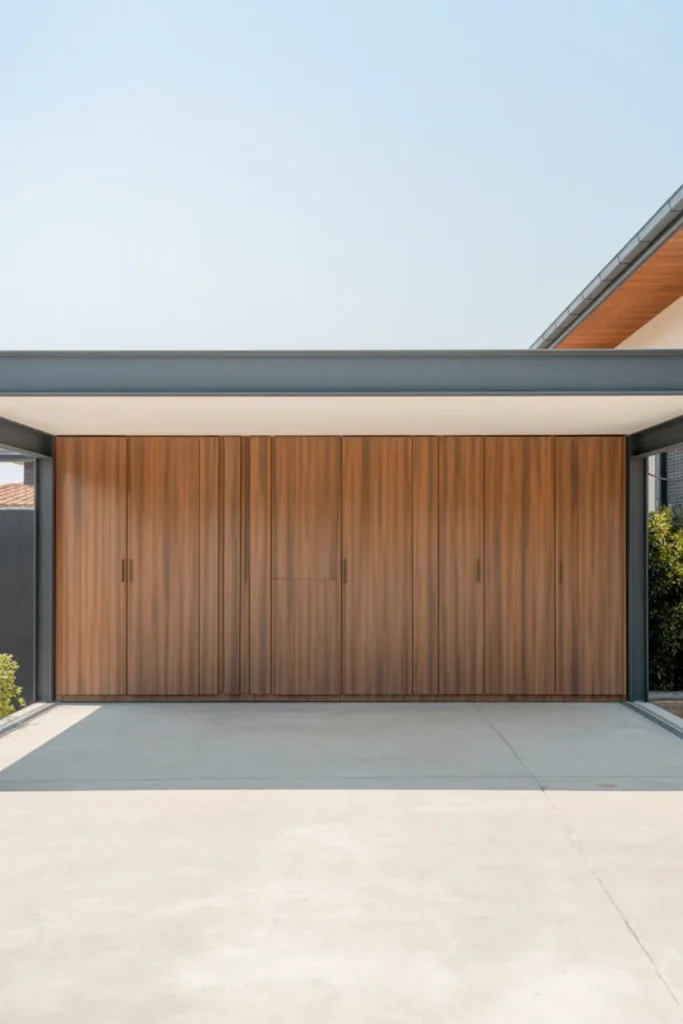
One of the biggest frustrations with a carport versus a garage is the lack of storage. A seamless wall of flush-panel cabinets at the back solves that completely. Choose weatherproof materials and paint them to match your home’s exterior for a clean, invisible look. Store tools, bikes, and seasonal items out of sight. Done right, this storage wall looks like a natural architectural feature — not an afterthought bolted onto bare concrete.
The Ambient Night Glow: Integrated LED Lighting
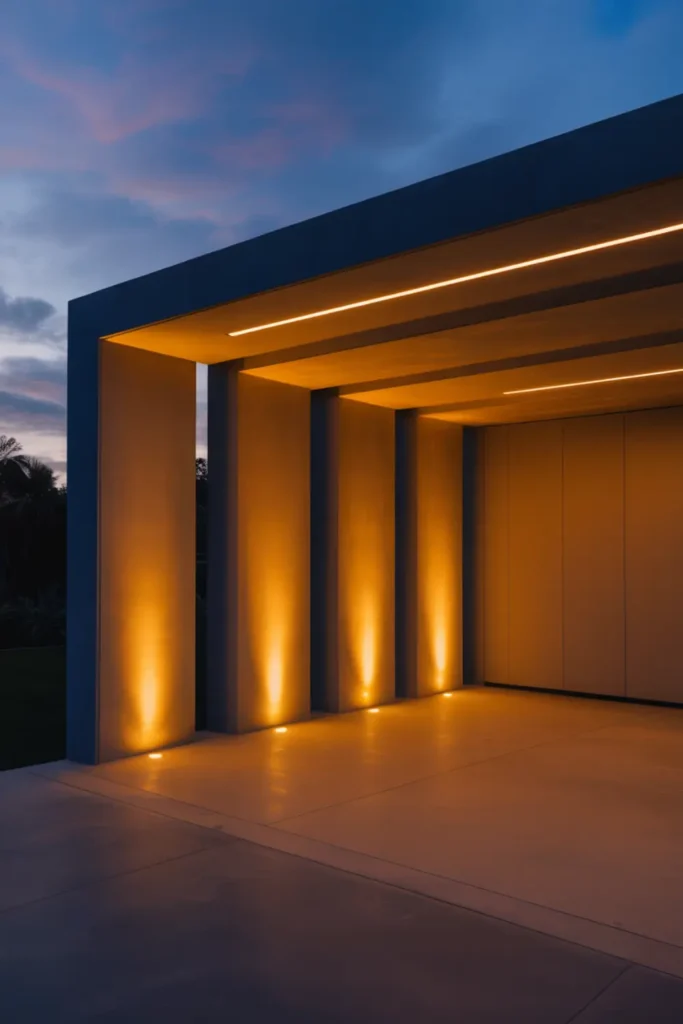
A carport at night can be just as striking as one in daylight — if the lighting is done right. Recessed LEDs flush into the ceiling create a clean, hotel-lobby warmth. Add low-voltage up-lights at each pillar base to cast dramatic vertical glow up the columns. The contrast between dark sky and warm amber light is genuinely stunning. This upgrade also improves safety and makes your driveway feel welcoming long after sunset.
The Trellis Wall: Climbing Vines Decor
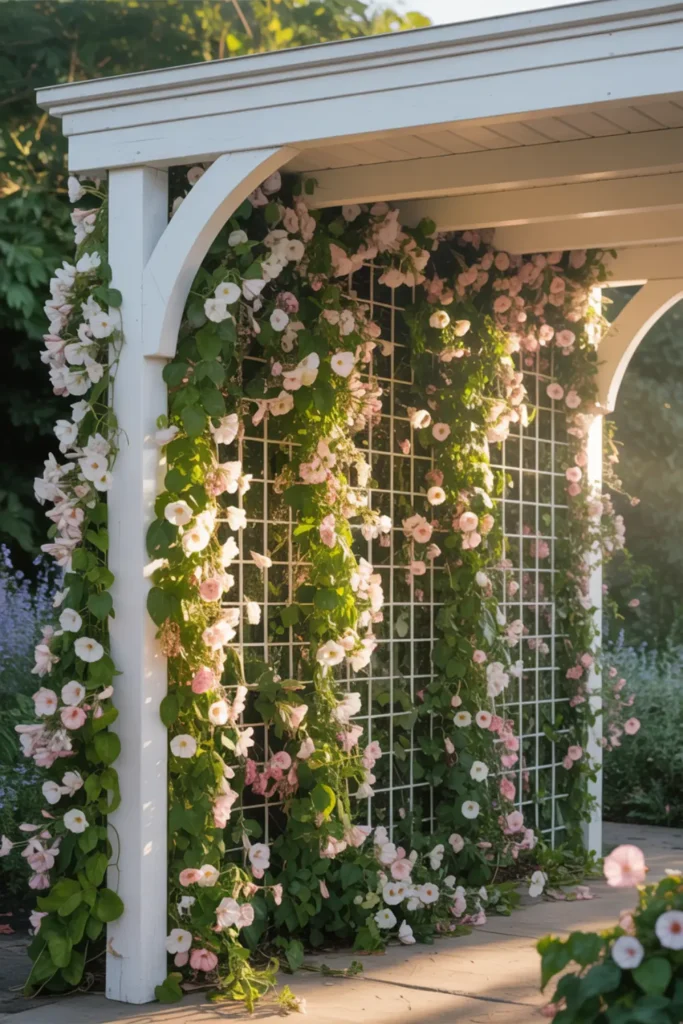
A simple wire trellis panel on one side of your carport completely changes its personality. Train jasmine, ivy, or climbing roses across it and within one growing season you have a lush, romantic green wall. The fragrance alone makes it worthwhile. This works especially well on white or pale timber carports where the green pops against light paint. It softens hard architectural lines and makes the whole driveway feel like a garden entrance.
The Mid-Century Flat Roof: Retro Revival
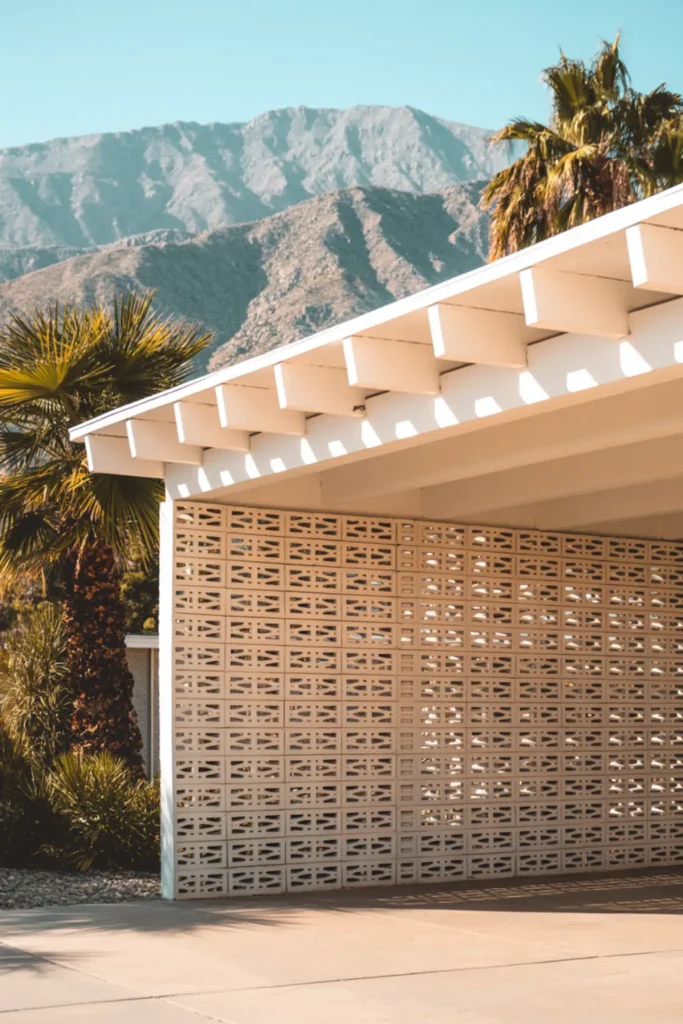
The flat roof carport is a direct nod to classic Palm Springs architecture — and it still looks incredibly fresh today. Angled fascia boards give the roofline a strong horizontal thrust that feels intentional and sculptural. Pair with breeze block side walls, bold geometric planters, and a warm terracotta or white palette. This style suits ranch-style and mid-century homes perfectly. Clean, confident, and retro without feeling dated or costume-like in any way.
The Glass Luxury Pavilion: Ultimate Elegance
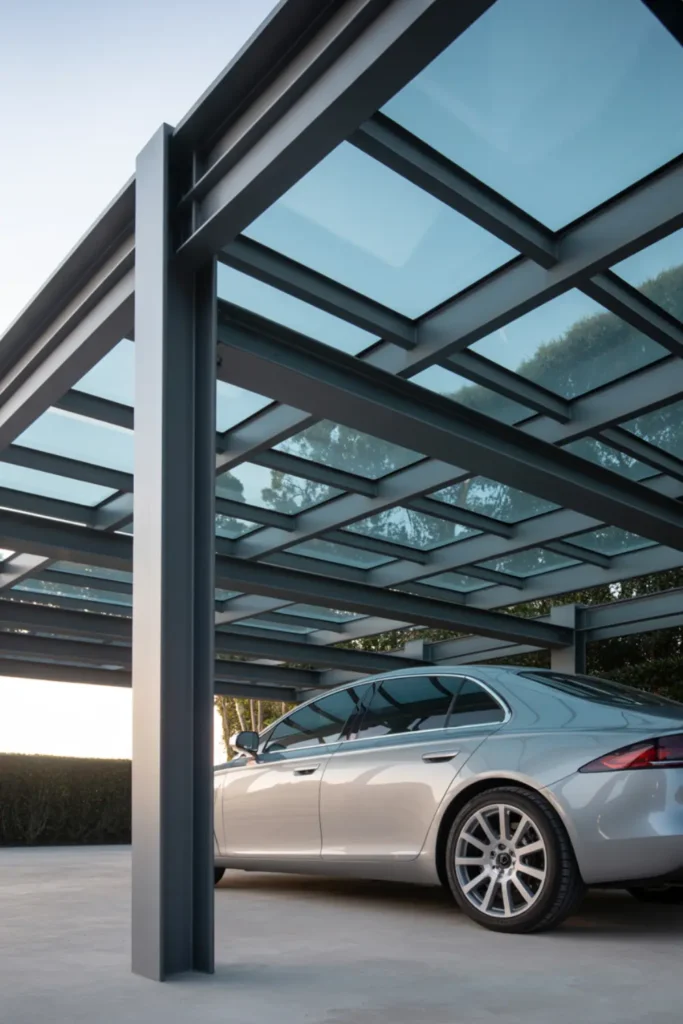
Tinted tempered glass roof panels elevate a carport from functional shelter to genuine architectural statement. Light filters through with a soft, diffused quality that feels expensive and considered. Slim powder-coated steel supports keep the structure visually lightweight. The result is a showstopper that frames your vehicle like a display piece. This is a high-investment design, but the curb appeal payoff is unmatched — especially on contemporary or minimalist luxury homes with clean exterior lines.
The Permeable Base: Eco-Friendly Drainage
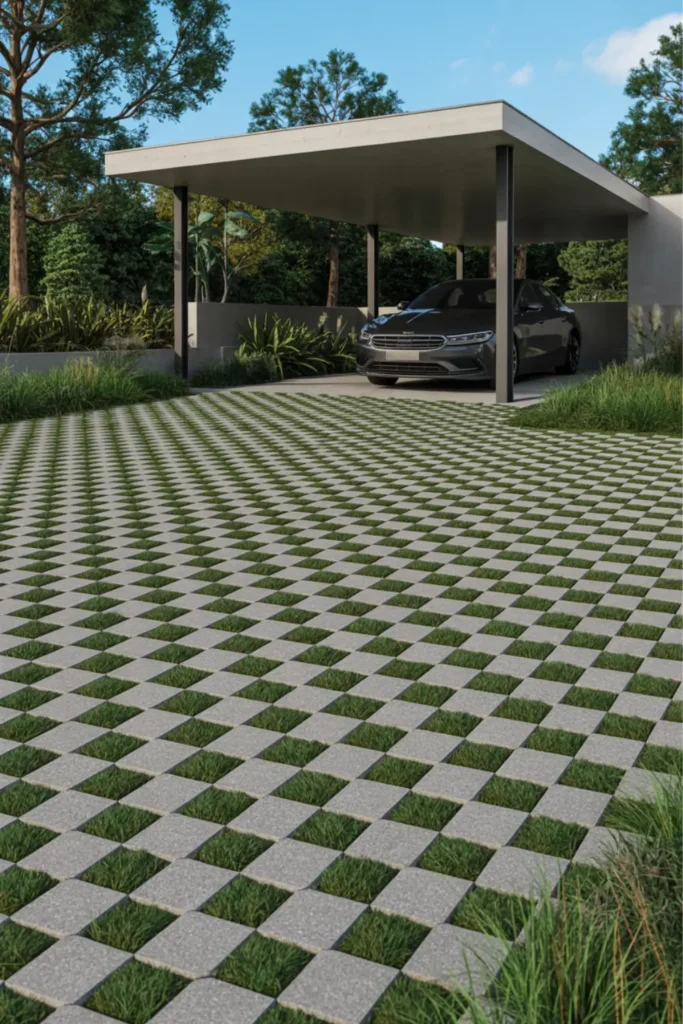
Grass-grid pavers are one of the most visually interesting and environmentally responsible carport base options available. Interlocking plastic or concrete grid cells hold gravel or grass in place while allowing rainwater to drain naturally into the ground below. The texture is earthy and organic — a welcome contrast to standard poured concrete. This approach reduces runoff, supports local groundwater, and gives your driveway a fresh, nature-connected look that photographs beautifully in every season.
The Boho Drapes: Softening the Edges
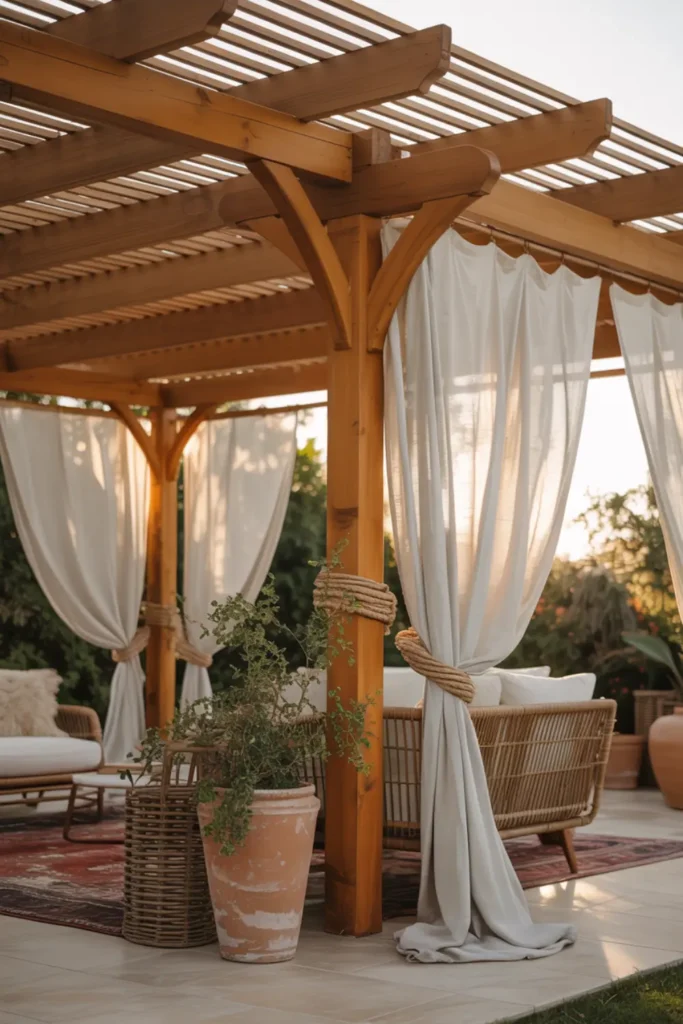
Outdoor weather-resistant curtains are one of the most budget-friendly ways to completely transform a basic carport. Tie back flowing white or linen-toned panels on each pillar for an instant boho, relaxed feel. They add softness to what is typically a very hard, structural space. On breezy afternoons the movement alone makes the area feel alive and inviting. This works especially well on wooden pergola-style carports with a warm, natural finish.
The Stucco Archway: Mediterranean Vibes
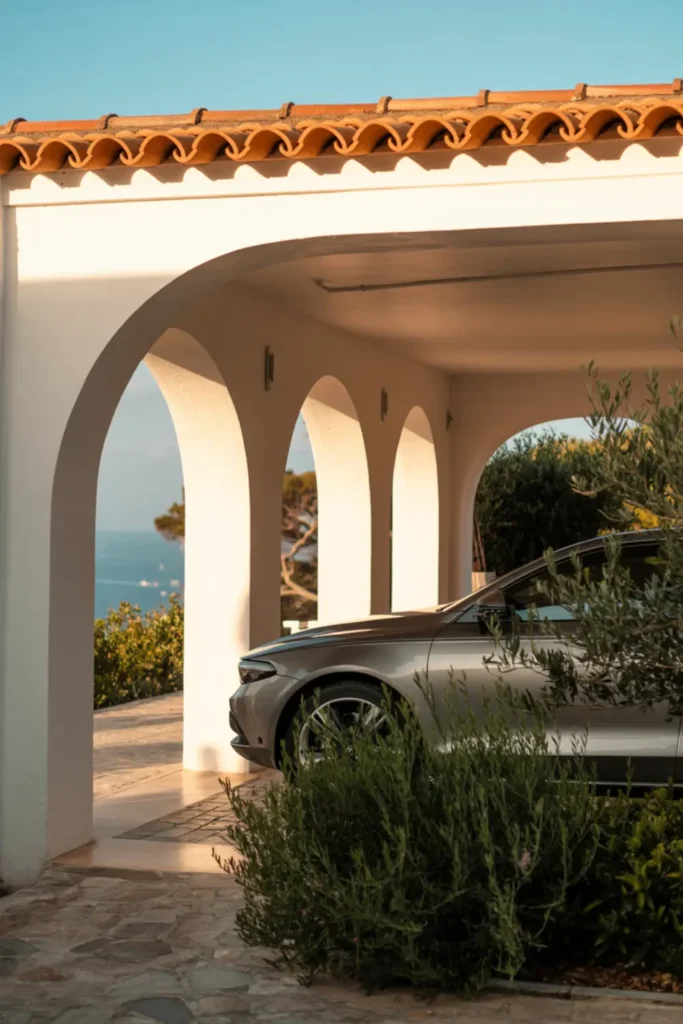
Swap standard square pillars for smooth white stucco arches and your driveway instantly feels like a coastal villa. This style suits Spanish, Tuscan, and Mediterranean-inspired homes where curved architecture is already part of the design language. Top the structure with terracotta clay tiles for a fully committed, sun-drenched look. Add terracotta pots with olive trees or bougainvillea at the base of each arch to complete the warm, vacation-like exterior atmosphere you’re after.
The Front Entry Mudroom: Clever Extensions
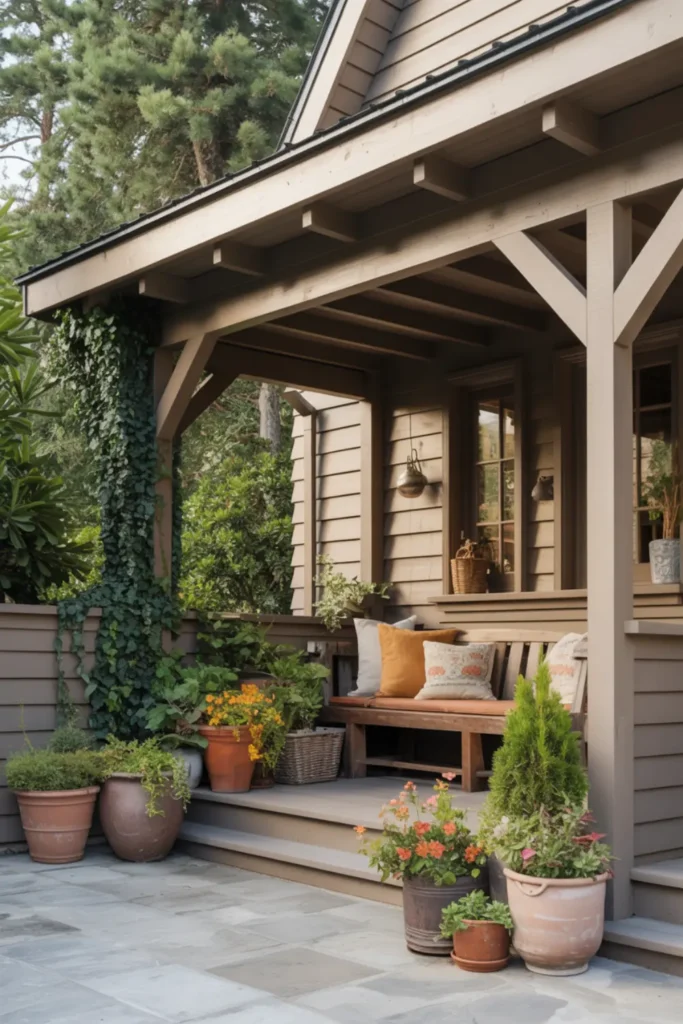
The smartest carports do more than shelter a car — they create a covered transition zone between your vehicle and your front door. A simple bench, hooks for bags, and a few potted plants tucked beside the entry turn this in-between space into a functional mudroom moment. Use the same roofline material as your main carport to keep everything cohesive. Families with kids and groceries will genuinely use and appreciate this thoughtful layout every single day.
The Angled Corner: Maximizing Awkward Lots
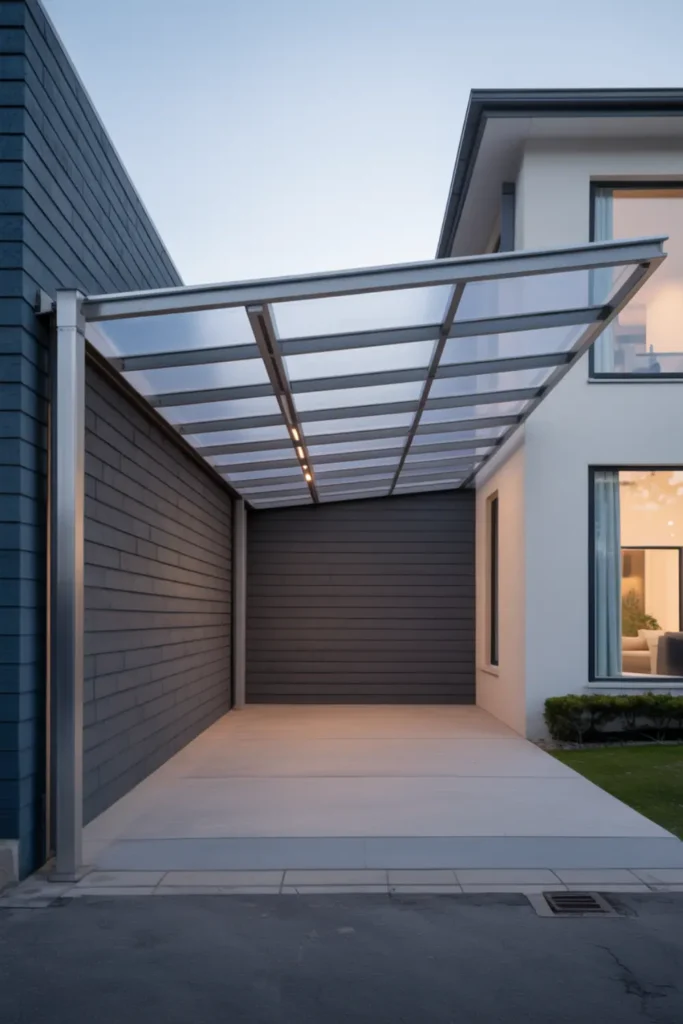
Not every driveway is a neat rectangle — and the best carport designers know that. Custom-angled rooflines can follow the exact shape of a tight corner lot or a diagonal property line without wasting a single square foot. Steel framing makes these irregular shapes far more achievable than timber. The result looks intentional and architecturally confident rather than like a compromise. If your yard feels too awkward for a standard carport kit, a custom corner design is your answer.
The Planter Box Base: Built-In Landscaping
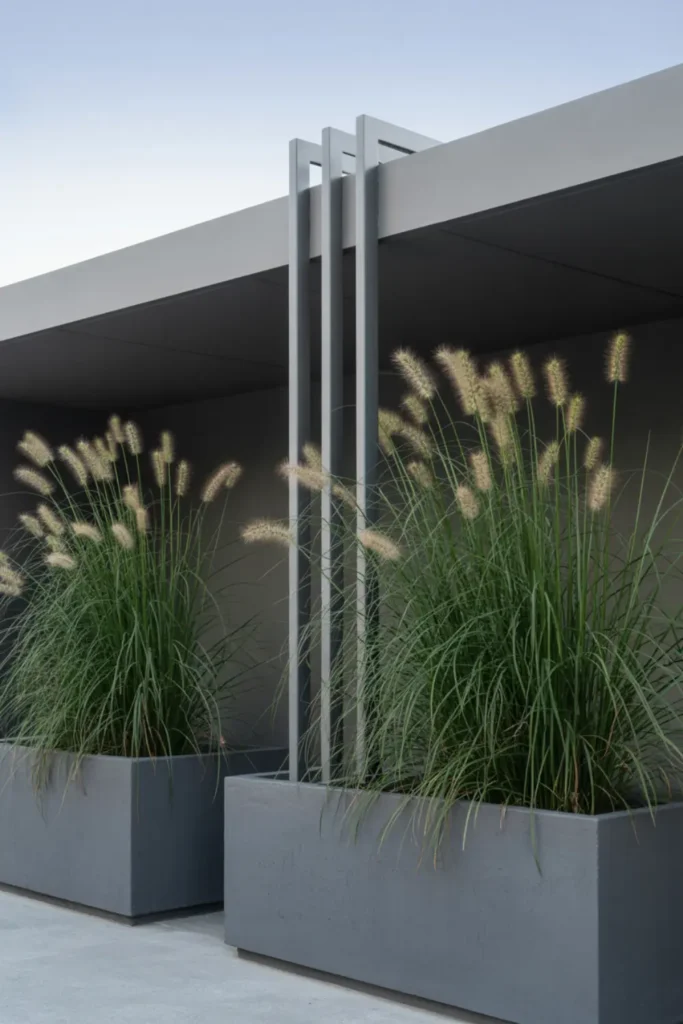
Instead of standard footings, set your carport pillars inside raised concrete planter boxes. Fill them with tall ornamental grasses, agave, or architectural shrubs that grow upward without spreading outward. It’s a clever way to add landscaping without sacrificing any driveway space. The planters visually anchor the structure to the ground and make the whole carport feel custom-built and considered. This detail alone can elevate a simple steel carport into something that looks genuinely high-end.
The Whitewashed Coastal: Breezy Beach House Style
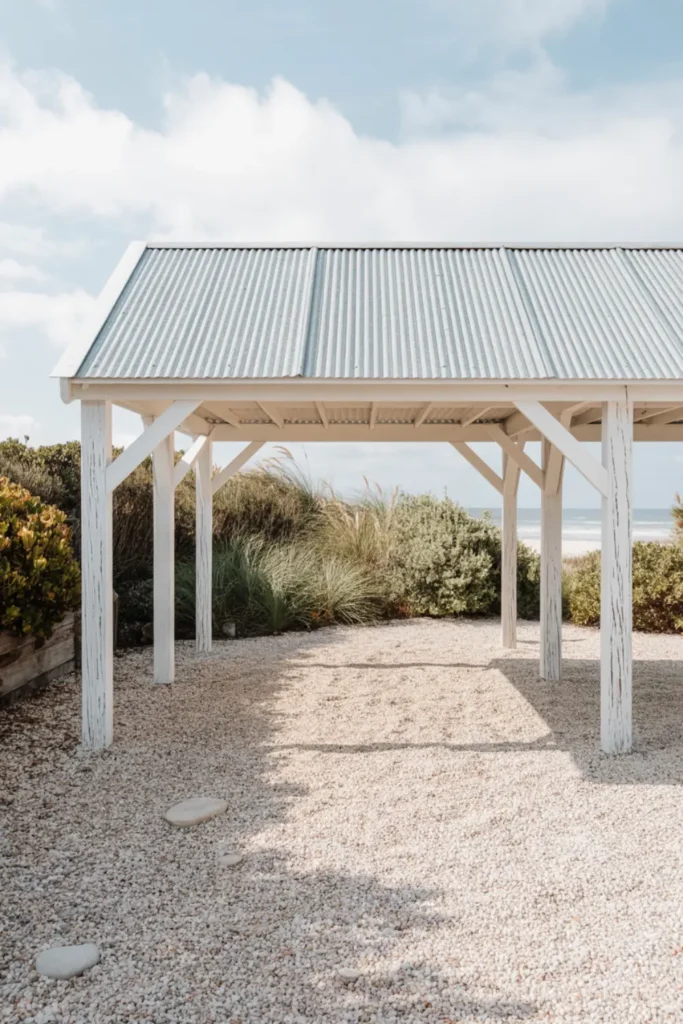
White painted timber framing paired with a corrugated metal roof is the ultimate beach house carport combination. The whitewash keeps things light and airy while the metal roof adds casual, relaxed texture without feeling rough or industrial. Set it over fine light gravel instead of concrete for an even breezier coastal feel. Add a weathered wooden lantern or two on the pillars and the whole driveway transforms into something straight off a Pinterest travel board.
The Smart Heated Base: Never Shovel Again
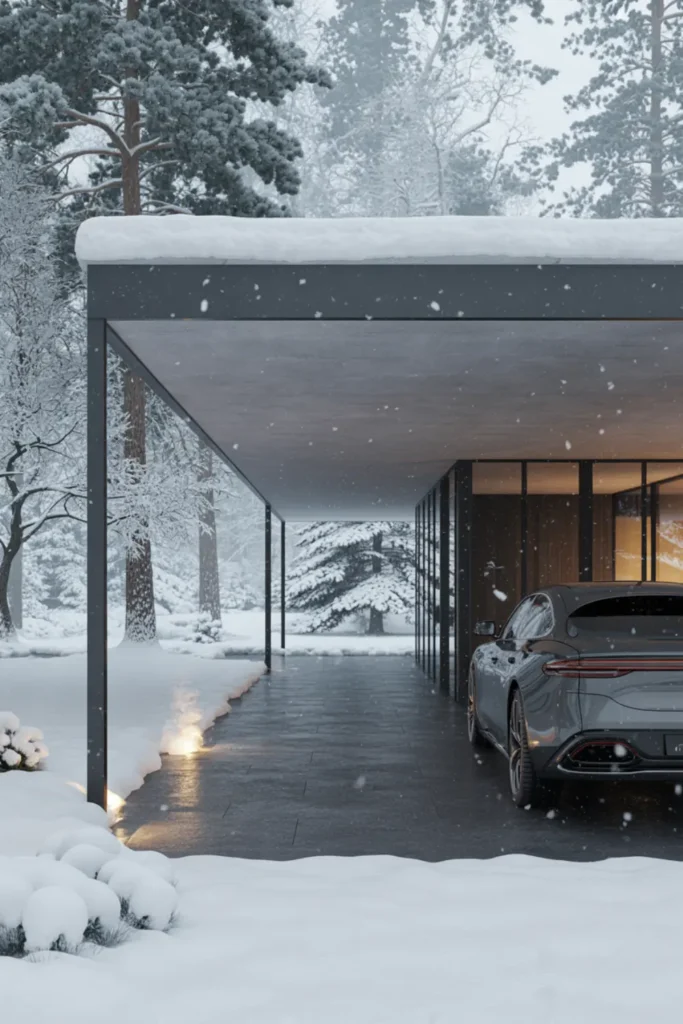
Radiant heating systems installed beneath your carport’s concrete slab quietly melt snow and ice before it ever becomes a problem. The driveway surface stays dry while everything around it stays buried under winter weather. It’s a genuine luxury upgrade that adds real daily value in cold climates. The carport roof above reduces the total heated surface area needed, making this system more efficient than a full heated driveway without any overhead shelter protecting it.
The Tall RV Vault: High Clearance Elegance
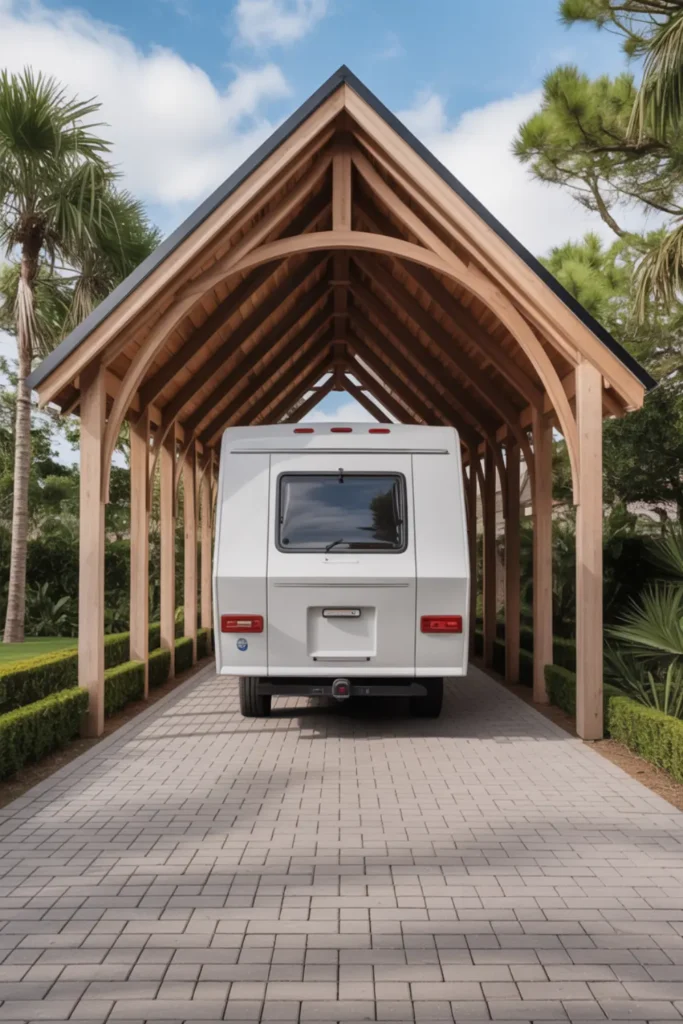
Standard carports simply don’t cut it for RVs, camper vans, or boat trailers. A vaulted timber carport with generous clearance height solves that problem while still looking architecturally handsome. The peaked roofline adds visual height and drama to your property rather than the boxy, utilitarian look of a commercial steel shelter. Use stained hardwood beams and neat paver flooring below to keep the overall aesthetic feeling deliberate, warm, and far from purely functional.
The Zen Garden Drive: Calming Minimalist Flow
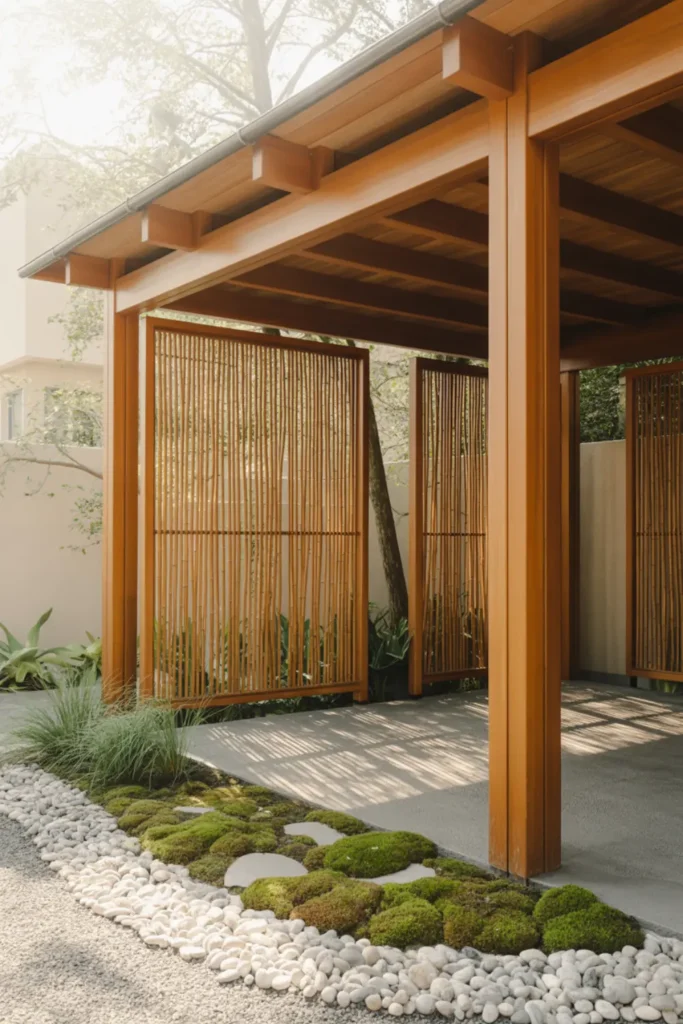
A Zen-inspired carport strips everything back to its quietest, most intentional form. Clean horizontal wood lines, a bamboo privacy screen on one side, and a border of smooth white river rocks along the base create an atmosphere of genuine calm. No clutter, no decoration for decoration’s sake. This style pairs beautifully with low-profile Japanese maple trees nearby. The whole driveway becomes a decompression zone — a peaceful arrival experience at the end of every single day.
The Two-Tone Contrast: Dark Roof, Light Driveway
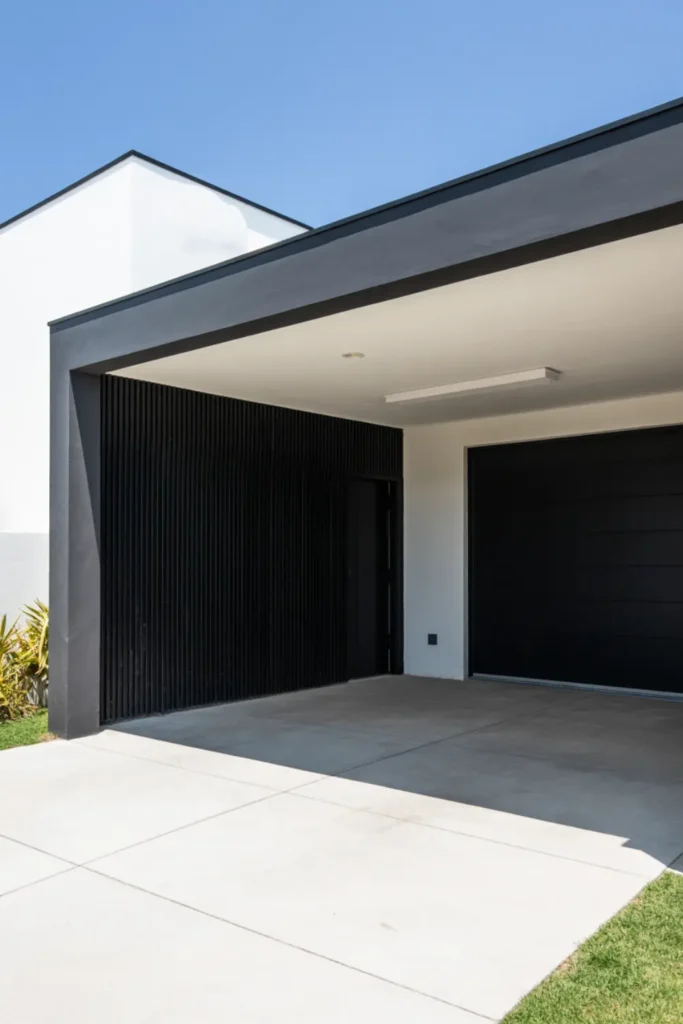
Few design moves are as visually powerful as pairing a charcoal black carport structure against bright white concrete below. The sharp tonal contrast makes both elements pop harder than they ever would in isolation. Crisp shadows from the roofline fall dramatically across the pale ground surface throughout the day as the light shifts. Keep everything else around it simple and uncluttered — this design earns its impact entirely through bold contrast and confident, clean architectural lines.
The Garage Extension Hybrid: The Best of Both Worlds
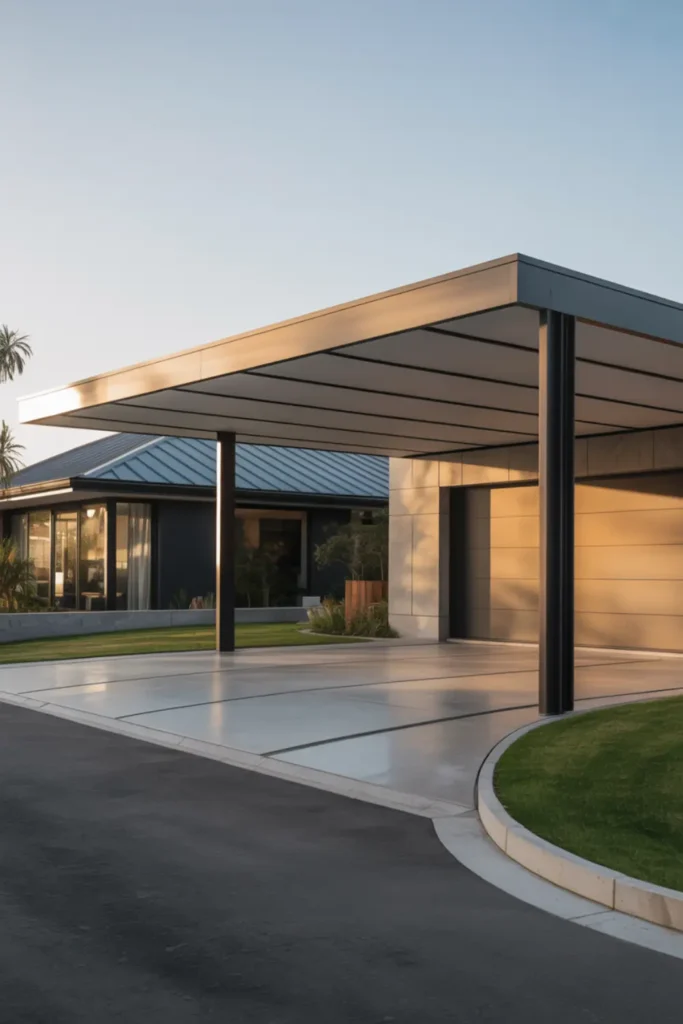
If you already have an enclosed garage, extending the roofline outward is one of the most cost-effective ways to gain covered parking for a second vehicle. The carport roof connects directly to the existing garage structure using matching materials, so the addition looks planned rather than patched on. You get the security of a closed garage for one car and the open, accessible convenience of a carport right beside it — genuinely the best of both layouts.
The Industrial Metal Inlay: Edgy Ground Details
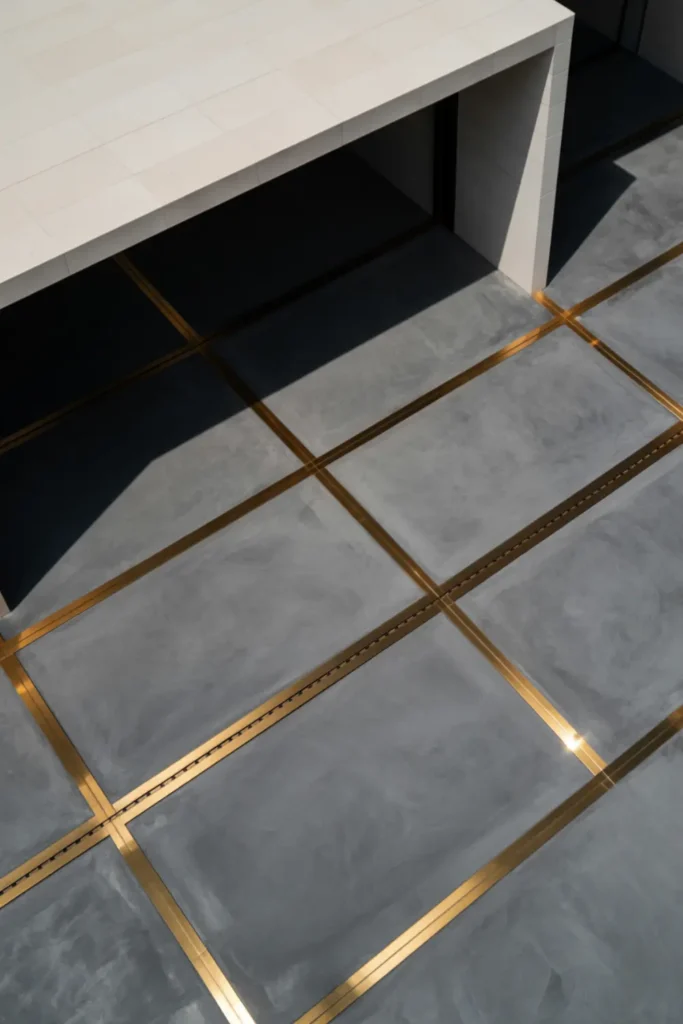
The ground beneath your carport deserves as much attention as the structure above it. Thin brass or steel strips embedded directly into poured concrete create a grid or linear pattern that looks custom, considered, and expensive. The metal catches light differently throughout the day, adding subtle visual movement to an otherwise static surface. This detail works particularly well under black steel or raw concrete carport structures where the overall design language already leans industrial and precise.
The A-Frame Pitch: Cabin Core Aesthetics
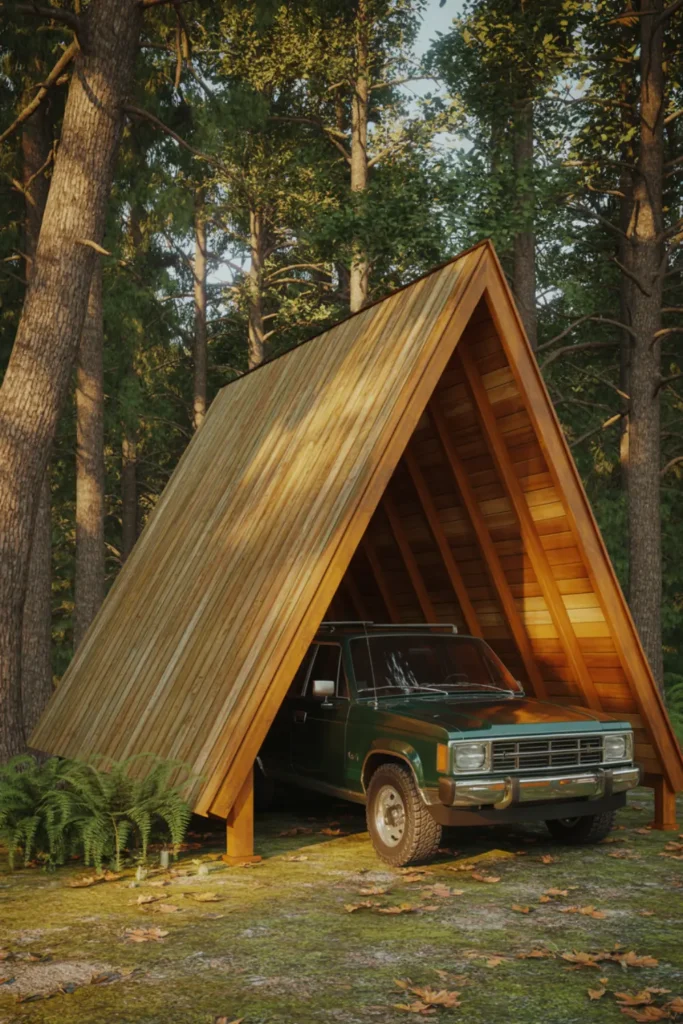
The steep triangular silhouette of an A-frame carport is one of the most striking rooflines you can choose. Practically, the sharp pitch sheds heavy snow and rain instantly without accumulation. Aesthetically, it reads as cozy, warm, and deeply cabin-inspired — a style that’s genuinely trending across Pinterest home boards right now. Use dark stained timber for the frame and let surrounding trees frame the structure naturally. It photographs beautifully in every season, especially with fresh snow or autumn foliage nearby.
The Gated Carport: Security Meets Style
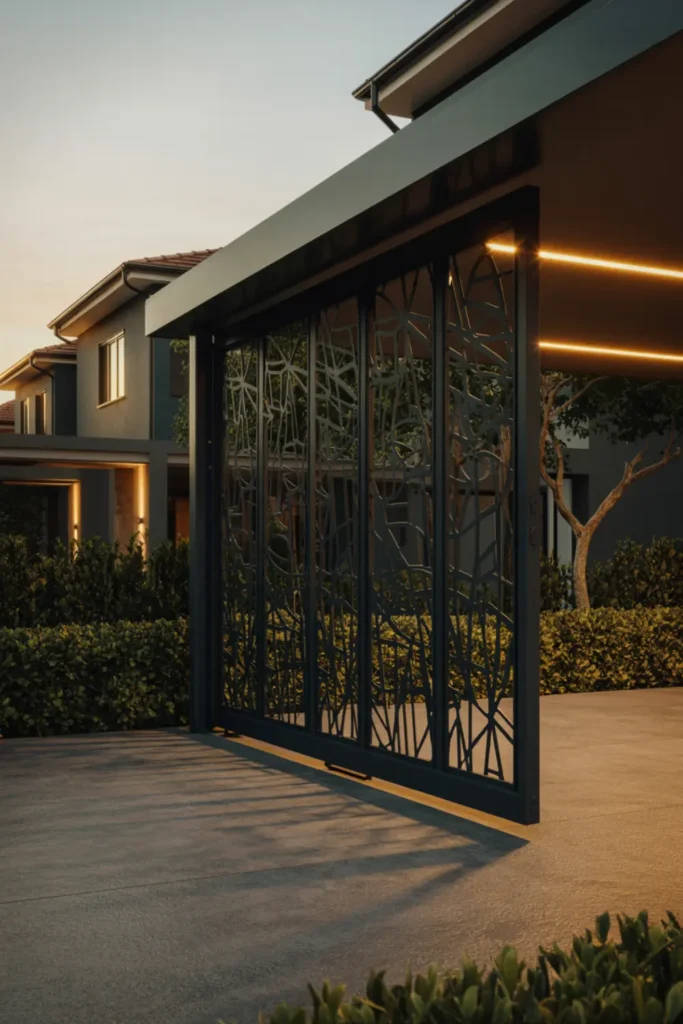
A sliding laser-cut metal gate at the carport entrance adds a serious layer of security without the claustrophobic feel of a fully enclosed garage. Choose a decorative geometric or botanical cut pattern so the gate functions as exterior art during the day. At night, up-lighting through the cutouts casts beautiful patterned shadows across the driveway. Powder-coat it in matte black or deep bronze to keep the finish weather-resistant and sophisticated. Security and curb appeal rarely look this good together.
The Floating Step Pathway: Artistic Approaches
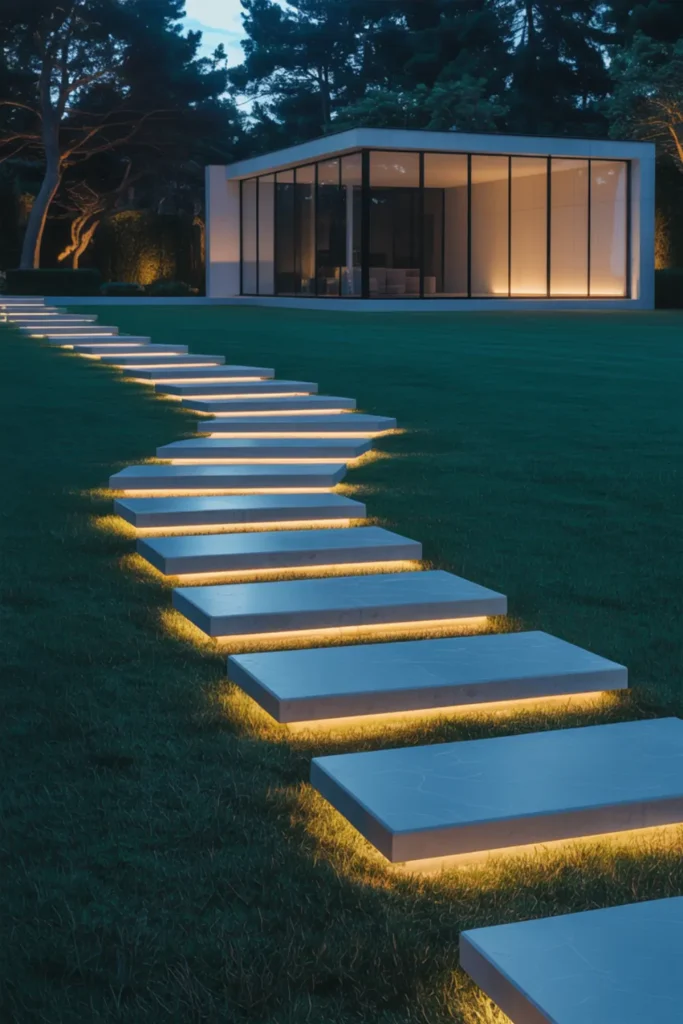
Large concrete pavers set into a manicured lawn, leading from your front path directly into the carport zone, turn a purely functional walkway into a landscape architect-quality feature. Space the steps with intention — wide enough to feel generous, with low ground cover or fine gravel filling the gaps between. Add flush ground-level lighting beneath each paver edge for a nighttime effect that looks genuinely luxurious. This final detail ties your entire driveway design together into one cohesive, gallery-worthy exterior composition.
Transform Your Driveway Today
Upgrading your driveway with a beautifully designed carport is the ultimate way to boost your home’s curb appeal. You no longer have to settle for a boring, plain concrete slab.
Whether you love a sleek metal canopy or a cozy timber-framed patio combo, your perfect exterior makeover is waiting. A stylish carport protects your vehicle and adds immense value to your property.
Don’t forget to save your favorite designs! Pin these ideas to your exterior inspiration board and start planning your dream driveway today.
Frequently Asked Questions
Does a carport add value to a home?
Yes, a beautifully designed carport adds amazing curb appeal and real value to your property. Buyers love seeing stylish, covered parking that matches the home’s exterior aesthetic. It is a smart and budget-friendly upgrade.
What is the cheapest way to build a carport?
The most budget-friendly option is buying a prefabricated metal carport kit or building a simple DIY wooden pergola. You can also save money by attaching a flat-roof structure directly to the side of your house.
Do I need planning permission to build a carport?
In many neighborhoods, small and open-sided carports do not need special planning permission. However, you should always check with your local zoning office or HOA rules before starting your driveway makeover.
Can I turn my carport into an outdoor patio?
Absolutely! Many homeowners create multi-functional spaces by adding stylish pavers, warm string lights, and cozy outdoor furniture. You can park your car daily and clear the space for fun weekend outdoor parties.
What is the best material for a modern carport roof?
For a bright and modern look, frosted polycarbonate panels or sleek metal roofing are perfect choices. Polycarbonate is great because it lets natural sunlight shine through while blocking harmful UV rays.
How wide should a driveway be for a double carport?
A standard double carport needs a driveway width of at least 20 to 24 feet. This gives you plenty of room to comfortably park two vehicles side by side and open the doors easily.
Are metal or wood carports better for snow?
Metal carports with a sloped A-frame roof are usually best for snowy areas because heavy snow slides right off. However, a thick rustic timber frame can also handle heavy snow if built structurally strong.
Can a carport roof support solar panels?
Yes, eco-friendly solar carports are a huge modern exterior trend right now. You just need to make sure the steel or heavy wood framing is built strong enough to safely hold the weight of the panels.
Can a carport be directly attached to a house?
Yes, an attached carport is a brilliant way to save yard space and reduce building costs. It uses your home’s wall for support and creates a wonderful, dry covered walkway straight to your front door.
How long does it take to install a modern carport?
A simple prefabricated metal carport can be put together in just one or two days on a level driveway. If you are building a custom architectural wood design, it might take a few weeks to finish perfectly.